SBFoton International Optics and Photonics Conference 2025
September 21st-24th, 2025
Estância de São Pedro, SP - Brazil

Watch our highlights
Organizers


Supporters





Sponsors





The Brazilian Optics and Photonics Society (SBFoton) and Embrapa Instrumentation proudly announce the organization of the 2025 SBFoton International Optics and Photonics Conference, SBFoton IOPC 2025. The seventh edition of this successful conference will be held in touristic city of São Pedro, in the countryside of the State of São Paulo, from September 21 to 24, 2025.
SBFoton IOPC focuses on a broadband approach to optics and photonics-related technologies. It is primarily designed to report on the latest findings in Agriphotonics, Biophotonics, Integrated Photonics and Optoelectronics, Lasers, Optical Communication, Optics and Instrumentation, Optical quantum technologies, Sensors, Images, and Illumination.
The organizing and technical program committees plan an event with parallel (technical sessions) and shared (plenaries and social events) agendas. The SBFoton IOPC 2025 will follow the typical format of conferences that include technical sessions with the presentation of peer-reviewed papers, Plenary and Invited Talks and poster sessions.
The SBFoton IOPC 2025 welcomes original contributions in the following and other related relevant topics:
Biospectroscopy School:
Exploring Advanced Spectroscopic Techniques for Diagnosis
This school will provide a comprehensive overview of the latest advancements in spectroscopy, with a special emphasis on the analysis of biological fluids such as saliva, plasma, and blood.
4th Photonics Industry and Entrepreneurship Workshop
5th Meeting of the BRICS Working Group on Photonics
In partnership with the Brazilian Ministry of Science, Technology and Innovation
Paper registration and upload opening
May 1st 2025
Postponed to May 6th
Deadline for paper registration and upload
June 30th 2025
Postponed to July 4th
Registrations Open
August 4th 2025
Acceptance notification
August 11th 2025
Camera-ready upload
September 1st 2025
Conference
September 21st-24th 2025
The 2025 SBFoton IOPC Student Paper Competition is organized by SBFoton and financially supported by the IEEE Photonics Society. It aims to:
ELIGIBILITY
To participate in the competition, each participant must:
Awarded oral presentations
| Place | Title | Authors |
| 1 | Reliable and Affordable Interferometric Wavemeter | Lucas G Woiblet and Nick J. Schilder (UNICAMP, Brazil); Bernardo Dias da Costa (UNICAMP, Brazil); Pedro Vinicius Pinho Nascimento (UNICAMP, Brazil); Gustavo Nunes Martins (UNICAMP, Brazil); Gustavo Wiederhecker (UNICAMP, Brazil); Thiago Alegre (UNICAMP, Brazil) |
| 2 | Polarization-Resolved Heterodyne Z-Scan for nonlinear refractive index discrimination using ultrafast-high-repetition laser pulses | Renato Moysés (USP, Brazil); Lino Misoguti (USP, Brazil) |
| 3 | Total Carbon and Nutrient Quantification in Brazilian Soils Using LIBS Technique with One-Point Calibration | Luís Carlos Leva Borduchi (USP, Brazil & EMBRAPA, Brazil); Helga Maria Darezzo (EMBRAPA, Brazil & Laboratório Nacional de Agrofotônica, Brazil); Debora M. Bastos Pereira Milori (EMBRAPA, Brazil); Ladislau Martin-Neto (EMBRAPA, Brazil) |
| 4 | Electrostatic-driven soft device with embedded optical fiber displacement sensor | Júlia C. X. de Lima and Lidia O Rosa (UNICAMP, Brazil); Audrey Sedal (McGill University, Canada); Cristiano MB Cordeiro (UNICAMP, Brazil); Eric Fujiwara (UNICAMP, Brazil) |
| 5 | ReLU-like Nonlinear Activation from an Nd: YVO Random Laser | Felipe Maia Prado (USP, Brazil); Jessica Dipold (IPEN, Brazil); Niklaus Wetter (IPEN, Brazil) |
Awarded poster presentations
| Place | Title | Authors |
| 1 | Infrared Dataset Of Beach Sediment Samples and DFT Vibrational Calculations | Julian Rayo Alape (UFABC, Brazil), Mohd Rashidi Abdull Manap (Universiti Putra Malaysia, Malaysia), Haruka Nakano ( Kyushu University, Japan), Muhammad Ibadurrahman bin Imizan ( University of Manchester, UK), Herculano Martinho (UFABC, Brazil) |
| 2 | Change of Light Absorption and Scattering Due to Interactions Between Nanoparticles in Black Carbon Clusters | Ana F Gomes (USP, Brazil); Maria L F Vicente (USP, Brazil & University of Toulon, France); Francisco Eduardo Gontijo Guimarães (USP, Brazil) |
| 3 | Agar Optical Fibers Prepared by Dip Coating: Optical Characterization and Degradation Analysis | Lidia O Rosa, Francisco X. R. Neto and Eric Fujiwara (UNICAMP, Brazil); Cristiano MB Cordeiro (UNICAMP, Brazil) |
| 4 | Optics in Pulse Oximetry: Correlation with Oxygen Saturation Accuracy | Kaio Bernardo Barros (USP, Brazil); Jocássia Silva Pinheiro (USP, Brazil); Murilo S Sampaio (USP, Brazil); Luismar B. Cruz Junior, Fernando Fagundes Ferreira, Anibal Basile-Filho, Rinaldo Guirro and Luciano Bachmann (USP, Brazil) |
| 5 | A Methodological Approach to Dental Tissue Analysis Using Raman Spectroscopy: Development and Clinical Insights | Vicente S Mattos (Embrapa Instrumentation, Brazil); Jarbas de Castro Neto (USP, Brazil) |
STEP 1
EXPRESSION OF INTEREST
During the paper submission, student authors are asked about their interest in participating in the 2025 SBFoton IOPC Student Paper Competition. Student authors not expressing their interest in participation will not be considered for the 2025 SBFoton IOPC Student Paper Competition.
STEP 2
REGISTRATION
After the notification of acceptance, student first-authors of the pre-selected papers, according to the expression of interest and the scores achieved during the peer-review process, will be asked to confirm their participation in the 2025 SBFoton IOPC Student Paper Competition. This confirmation will be done by filling out the Student Paper Competition Form, providing the paper conference number (EDAS ID), the student’s name, and the university’s name, where the research was carried out by the contender as a graduate/undergraduate student when the work was done and other important information to the in-person evaluation.
Each selected paper must be represented only by the first-author student — neither supervisor(s) nor another student(s) are allowed as co-participants/presenters.
STEP 3
SELECTION PROCESS
The Student Paper Competition is a juried track for the conference. Beyond the EDAS scores received during the peer-review process, each candidate will be reviewed by a board of experts who will evaluate the work based on its overall quality, originality, and relevance to the SBFoton community, as they perceived during the oral presentation in the designated Technical Session.
During the presentation, each student candidate will be evaluated based on:
The score received during the peer-review process before the conference will also be considered for the final score computation.
STEP 4
ANNOUNCEMENT AND AWARDS
The winners of the Student Paper Competition will be announced as part of the closing ceremony of SBFoton IOPC 2025. The top five students will receive a certificate of achievement from SBFoton and US$ 2.500,- from the competition sponsor (IEEE Photonics Society), distributed as follows:
SBFoton will also offer a certificate of achievement with an Honorable Mention Student Paper Award to the students with high final scores out of the top five.
It is a pleasure to announce that students may apply for a grant of R$950.00 to attend SBFoton IOPC 2025.
SBFoton will support up to 10 students, based on the following criteria: the student (undergraduate or graduate) must be the first author of an accepted paper and must present it at the conference.
The priority levels for grant allocation are as follows:
1. Students who have been SBFoton members for at least one year;
2. Students with less than one year of membership, ranked according to the date of association;
3. If there are remaining grants, other students may be considered.
All students will be ranked according to the final scores obtained during the review process of their papers on EDAS, in addition to the priority levels mentioned above.
Applications must be sent via email to sbfoton@sbfoton.org.br
by September 2nd, including:
The title of the accepted paper;
The corresponding EDAS number;
The applicable priority level.
Students will be notified of the results by September 5th.
The grant will be paid after the student registers for the conference and attends IOPC 2025. Payment will be made by bank transfer after the event.
It is with great enthusiasm that we announce the 10 winners of the SBFoton Student Grants.
The published list includes the ranking of all applicants.
Congratulations to the top 10 ranked students on their excellent performance and well-deserved achievement! See you at SBFoton/IOPC 2025!
| Código do trabalho – EDAS | Classificação | CONTEMPLADO ** |
| 1571172754 | 1 | sim |
| 1571170927, 1571172356 | 2 | sim |
| 1571172718 | 3 | sim |
| 1571171399 | 4 | sim |
| 1571172407 | 5 | sim |
| 1571172744 | 6 | sim |
| 1571172409 | 7 | sim |
| 1571169734 | 8 | sim |
| 1571170599, 1571172807, 1571172785, 1571166739 | 9 | sim |
| 1571169635 | 10 | sim |
| 1571165320 | 11 | |
| 1571172150 | 12 | |
| 1571171398 | 13 | |
| 1571152849 | 15 | |
| 1571168663 | 15 | |
| 1571172396, 1571171275, 1571172397 | 16 | |
| 1571168008 | 17 | |
| 1571172711 | 18 | |
| 1571171198 | 19 | |
| 1571165699 | 20 |
** Os contemplados são prioridades 1 e 2. Precisam comprovar estar em dia com as anuidades.
| Early Registration Till August 30th | Standard Registration From September 1st | |
| Brazilian Residents | ||
| Full Registration – SBFoton / IEEE Photonics Society (IPS) / OPtica / SPIE Affiliate | ||
| Professional¹ | R$ 900,00 | R$ 1.000,00 |
| PosDoc & Graduate student² | R$ 600,00 | R$ 700,00 |
| Undergraduate student | R$ 400,00 | R$ 500,00 |
| Full Registration – Non-members | ||
| Professional¹ | R$ 1.200,00 | R$ 1.300,00 |
| PosDoc & Graduate student² | R$ 750,00 | R$ 850,00 |
| Undergraduate | R$ 550,00 | R$ 650,00 |
| International Participants (outside Brazil) | ||
| Full Registration – SBFoton / IEEE Photonics Society / Optica / SPIE Affiliates | ||
| Professional¹ | US$ 400,00 | US$ 450,00 |
| PosDoc & Graduate student² | US$ 200,00 | US$ 250,00 |
| Undergraduate student | US$ 150,00 | US$ 200,00 |
| Full Registration – Other categories | ||
| Professional¹ | US$ 450,00 | US$ 500,00 |
| PosDoc & Graduate student² | US$ 250,00 | US$ 300,00 |
| Undergraduate | US$ 200,00 | US$ 250,00 |
| One Day Participation³ | ||
| Professional | R$ 400,00 | R$ 450,00 |
| Pos Doc, Graduate and Undergraduate | R$ 300,00 | R$ 350,00 |
| Extra Dinner Ticket | R$ 200,00 | R$ 200,00 |
¹ The “Professional” registration gives the right to attend the conference, to get one ticket for the confraternization dinner, and to publish up to TWO papers in the IEEE Xplore.
² “PosDoc, Graduate and Undergraduate” registrations give the right to attend the full conference, to get one ticket for the confraternization dinner, and to publish ONLY ONE paper in the IEEE Xplore.
³ One Day is the participant who whishes to attend the conference in only One DAY and gives the right to attend the plenaries and technical sessions
⁴ Registrations are not transfereable or exchanged between categories. In case of doubt, please contact the organization.
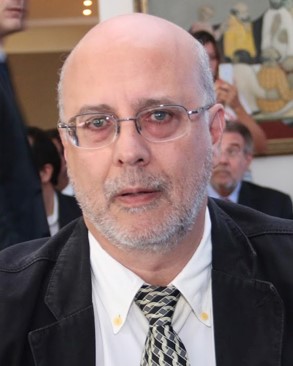
Vanderlei S. Bagnato
Presentation: From basic research with atoms and molecules to the applications of light in life sciences: the trajectory of CEPOF and its innovations
Full professor at IFSC-USP. Member of the Brazilian Academy of Sciences, TWAS, the National Academy of Science of the USA and the Pontifical Academy of Sciences of the Vatican
At the Optics and Photonics Research Center, the basic focus is the interaction of light with matter in various aspects. Understanding the fundamentals creates the conditions for us to carry out the most diverse applications. By investigating cold atoms, we have built a solid base of instrumentation and precision optics that made it possible to build the first Brazilian atomic clock and, in addition, to investigate many-body quantum systems such as Bose-Einstein condensates. With the accumulated knowledge of collisions between excited atoms and their energy transfer effects, we began investigating photodynamic reactions, which led to applications in cancer treatment and microbiological control, and more recently to the breaking of bacterial resistance to antibiotics. Throughout this trajectory, we have always taken advantage of everything possible to transform the knowledge generated into applications and technological innovations with companies. Throughout this presentation, we will take a tour of the various developments that we are currently working on with around 120 people working in the Center’s various laboratories, as well as a description of the formation of more than 40 companies with over 60 products on the market. We will also talk about the future planned for the new center of excellence created by USP.
Vanderlei S. Bagnato, is a Physicist from USP (1981) and a Materials Engineer from UFSCar (1981), with a PhD from MIT (1987). He is currently a full professor at IFSC-USP. He works in the areas of optics, atomic and molecular physics with cold atoms and biophotonics. He has published more than 800 scientific papers and supervised more than 130 graduate students. He has received several national and international awards. He is a member of the Brazilian Academy of Sciences, TWAS, the National Academy of Science of the USA and the Pontifical Academy of Sciences of the Vatican. He has several international collaborations and is currently a professor at Texas A&M University. He coordinates several projects such as CEPID-FAPESP, INCT-CNPq, Embrapii and SisFoton, among others.
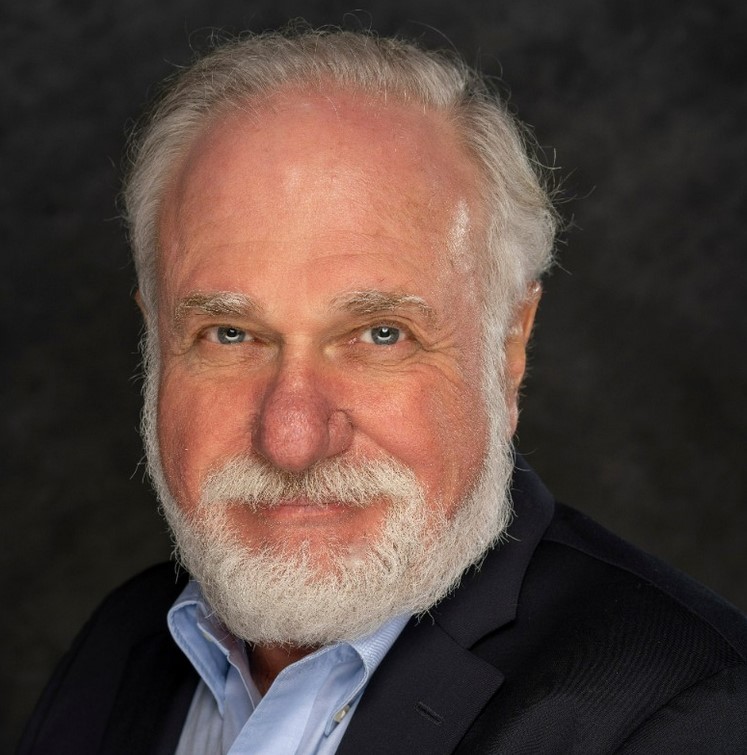
Daniel Renner
Presentation: High Power, Watt-class Diode Lasers – Overview of recent progress
Principal, Atacama Optics & Electronics, Santa Barbara, California
Chair, IEEE Photonics Society Industry Engagement Committee
High Power Diode Lasers, generating outputs higher than 1 Watt have made significant progress in recent times, enabling applications in many areas, such as Lidar, Free-Space-Optical (FSO) communications, medical diagnostic, defense, materials processing, laser welding and agriculture. These lasers operate over a wide range of wavelengths, from the visible to the infrared. This presentation will provide an overview of the various laser architectures used to achieve these high powers and their key design parameters from a thermal, optical and electrical standpoint. The presentation will also touch on fabrication processes and current state-of-the-art performance. Fabrication and performance of individual diode lasers as well as laser arrays will be discussed. The presentation will conclude with a discussion of the anticipated future evolution of these devices, driven by new applications and supporting second generation quantum technology.
Daniel Renner grew up in the southern part of Chile. He received his Bachelor of Engineering Degree from the Universidad de Chile and then, in his early twenties, he went to the University of Cambridge in England to do a Ph.D. in opto-electronics, a new field of studies at the time. Now, decades later, he has lived through the whole
range of experiences that relate to the research, development, manufacturing and commercialization of complex photonic devices and systems used in communication, sensor and industrial applications. In the past 34 years, Daniel has been directly involved with the growth of four photonic startups in the United States, Ortel Corporation, Agility Communications, Aerius Photonics and Freedom Photonics. This gives him a unique perspective on the workings of a high-tech small business and the process of transforming leading-edge photonic technology into products.
Daniel is currently at Atacama Optics & Electronics, Santa Barbara, California, where he provides support to photonic companies in business development aspects. Additionally, Daniel is Chair of the IEEE Photonics Society Industry Engagement Committee.
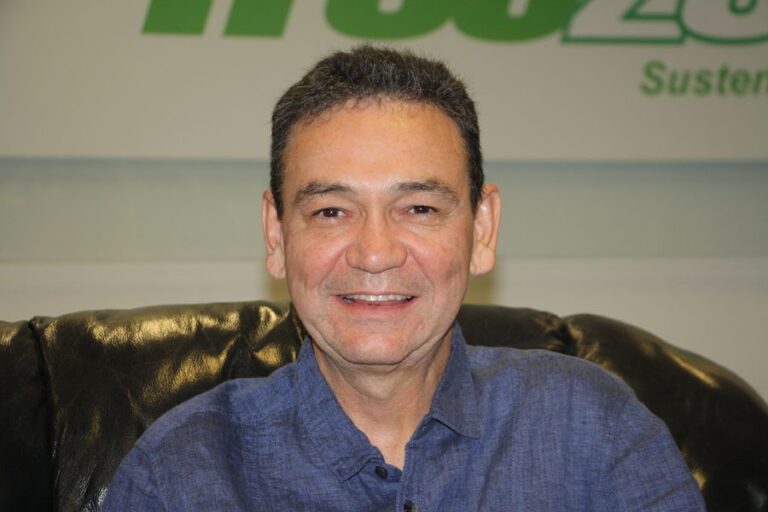
Ivair Gontijo
Presentation: Photonics on Mars – the SuperCam Instrument
Jet Propulsion Laboratory/NASA - Mars 2020 Project
Optics and photonics have been used on the surface of Mars for several decades. Since the Mars arrival of the Pathfinder mission back in 1997, we have mobile capability for in-situ measurements and geological characterization. Instruments to study Martian chemistry and mineralogy have been improving at a rapid pace, with the addition of new optical techniques. SuperCam is the latest and most versatile instrument sent to Mars in 2021, aboard the Perseverance rover. Here we will discuss its optical & photonics techniques and how it is being used characterize samples to be brought back to Earth for further study.
Ivair Gontijo holds a degree in Engineering Physics from the Federal University of Minas Gerais (UFMG), where he also earned a Master’s in Optics.
He completed his PhD in Electrical Engineering at the University of Glasgow, Scotland, and pursued postdoctoral research at Heriot-Watt University in Edinburgh and UCLA in Los Angeles.
In 2006, Gontijo joined NASA as part of the team responsible for the laser systems on the Curiosity Rover, which successfully landed on Mars. He is currently involved in the Mars 2020 project, contributing to groundbreaking advancements in space exploration and technology.
With extensive experience in optics, engineering, and technology, Ivair Gontijo offers valuable insights into the intersection of photonics, engineering, sensors, and instrumentation.
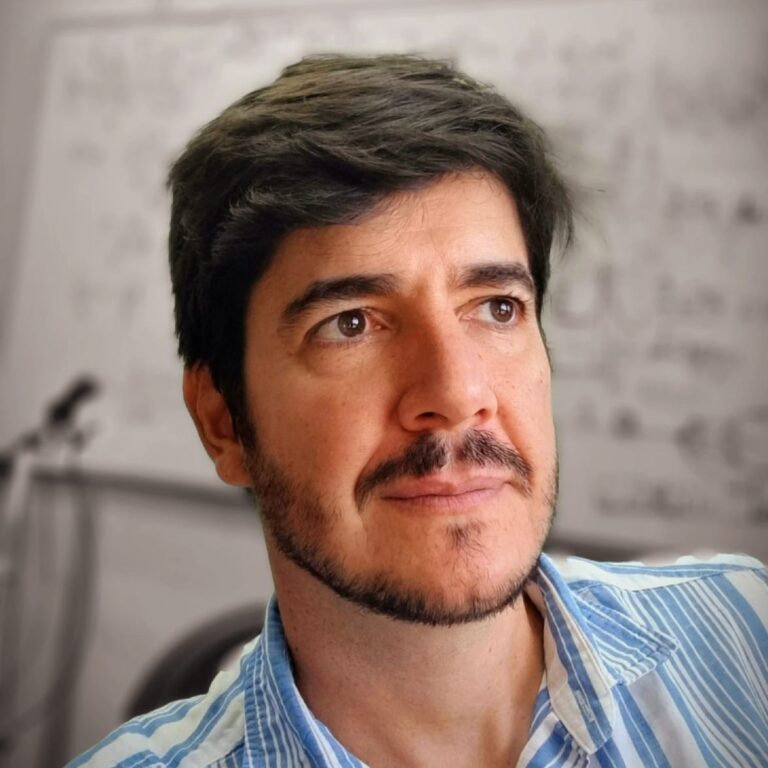
Gustavo Wiederhecker
Presentation: Integrated Photonics for Light-Matter Interaction in the Second Quantum Revolution
Director of the Center for Semiconductors Components and Nanotechnologies (CCSNano)
Integrated photonics is a key enabler of the second quantum revolution, offering precise control of light-matter interactions at the nanoscale. Beyond scalability, it enables us to tailor optical environments to explore and enhance material properties, unlocking new physical effects through hybrid integration.
This talk will demonstrate how platforms such as silicon nitride and lithium niobate enhance quantum information processing, nonlinear optics, and electro-optic control. I’ll also highlight how 2D material integration brings tunability and novel functionalities, enabling reconfigurable quantum photonic circuits and enhanced light sources.
By confining light and engineering dispersion, integrated photonics amplifies weak interactions and opens new regimes of quantum optics. Through concrete examples, I will illustrate how it enables both material exploration and the development of next-generation quantum technologies.
Gustavo Wiederhecker holds an Associate Professor position at the University of Campinas, Brazil, where he also earned his B.Sc. and Ph.D. in Physics. He was a postdoctoral research fellow at Cornell University, from 2008 to 2011. His research aims to harness nonlinear optical phenomena within microphotonic devices, with emphasis on the interaction between light and mechanical waves. He is member of the Optical Society of America and since 2020 is a topical editor in nanophotonics, optomechanics and nonlinear optics at the Journal of the Optical Society of America B. He has been elected an affiliate member of the Brazilian Academy of Sciences for the 2019–2024 term and holds a PQ (1D) fellowship from CNPq. He currently serves (2022-2025) as the director of the Center for Semiconductors Components and Nanotechnologies (CCSNano)

Jürgen Popp
Presentation: Translational Clinical Biophotonics
Friedrich Schiller University of Jena
Scientific director of the Leibniz Institute of Photonic Technology
The growing incidence of cancer and the emergence of drug-resistant infectious diseases present urgent challenges to modern medicine. Timely and precise diagnostics, paired with tailored therapies, are crucial for improving patient care. Spectroscopic techniques— particularly Raman spectroscopy—have shown remarkable potential to deliver molecularlevel insights for clinical diagnostics. However, to bring these technologies into everyday medical use, highly reliable and user-friendly optical systems with elevated Technology Readiness Levels (TRLs) are essential. This presentation will delve into recent progress in multimodal spectroscopic technologies that aim to bridge the gap between research and clinical application. Focus will be placed on the development of novel, label-free diagnostic tools, such as Raman fiber probes, clinically viable nonlinear microscopes, and advanced endospectroscopic devices. These instruments support real-time intraoperative guidance and tissue assessment under in vivo or near in vivo conditions, enabling accurate tumor detection, staging, and grading—critical for initiating personalized treatments. Beyond oncology, we will present innovative applications of Raman spectroscopy in managing infectious diseases. Key advances include: 1. Real-time monitoring of immune response, 2. Rapid identification of pathogens and detection of antimicrobial resistance, 3. Dynamic evaluation of therapeutic efficacy. These methodologies span the entire diagnostic continuum, from sample acquisition to clinical decision-making, significantly reducing diagnostic timelines compared to traditional microbiological workflows. To further enhance clinical translation, we will showcase the integration of AI-driven spectral analysis tools. These algorithms transform complex spectral data into actionable diagnostic markers, improving both precision and reproducibility. Finally, we will address infrastructure strategies designed to overcome translational barriers—commonly referred to as the “valley of death”—ensuring that these innovative photonic technologies reach routine clinical use. By aligning cutting-edge biophotonics research with real-world medical practice, this work aims to redefine diagnostics and patient management in both oncology and infectious diseases.
Jürgen Popp studied chemistry at the Universities of Erlangen and Würzburg. After receiving his PhD in chemistry, he went to Yale University for postdoctoral work. He then returned to the University of Würzburg where he habilitated in 2002. Since 2002, he has held a chair in physical chemistry at the Friedrich Schiller University of Jena. Since 2006 he is also the scientific director of the Leibniz Institute of Photonic Technology, Jena. His research interests focus on biophotonics. Professor Popp has received numerous awards for his research, including the prestigious Pittsburgh Spectroscopy Award in 2016. In 2023, Jürgen Popp received an honorary doctorate from the University at Albany – State University of New York (USA) and the Charles Mann Award from the Federation of Analytical Chemistry and Spectroscopy Societies (FACSS).
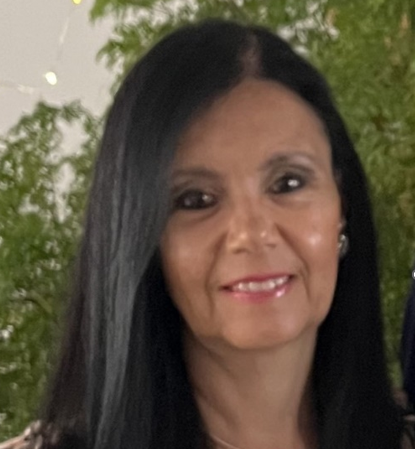
Luciana Kassab
Presentation: Waveguides with different architectures based on GeO2 and TeO2 using Si technology and fs laser irradiation: a review
Professor of Physics at Faculdade de Tecnologia de São Paulo - Centro Estadual de Educação Tecnológica Paula Souza
The search for new materials doped with rare earth ions and metallic nanoparticles has grown due to several applications. In particular GeO2-PbO and TeO2-ZnO hosts are potential candidates for photonics: they have linear and nonlinear refractive index, wide transmission window (400-500 nm) and low cutoff phonon energy with respect to silicates; photoluminescence enhancement due to localized plasmon effects was also demonstrated in these hosts as well as nonlinear optical properties. The Si technology is used to fabricate the SiO2 pedestal; then by the sputtering technique the thin film is deposited on the pedestal to form the core of the waveguide based on Nd3+ doped TeO2-ZnO for applications at 1064 nm. The advantages of the pedestal architecture with respect to rib waveguides are discussed. The other architecture is based on waveguides written directly in Nd3+ doped GeO2-PbO glasses using the fs laser irradiation for the production of a new platform. In this case the glass is produced by the well known melt quenching technique and the double-walled waveguides consisting of a pair of parallel walls (separated by 10 µm) each one created through the superposition of several tracks generated by overlapping laser pulses. Both waveguides (thin films and bulks) are investigated with metallic nanoparticles, that promote the relative gain growth that depends on the amplified spontaneous and stimulated emissions. The increase of the local field in the proximity of the nanoparticles enhances the density of the excited Nd3+, and favours both mechanisms that depend on the concentration of the excited ions. So, it is the population enhancement that is in the excited state that impacts positively the waveguide performance. The present results open new possibilities for integrated photonics and can be extended to different hosts and rare-earth ions
Keywords: fs laser irradiation; Si technology; waveguides; nanoparticles
Luciana Kassab holds a bachelor degree in Physics (1983) from Pontifícia Universidade Católica de São Paulo, a MSc (1987) and a PhD (1996) in Sciences from Universidade de São Paulo. She is a full Professor of Physics at Faculdade de Tecnologia de São Paulo -Centro Estadual de Educação Tecnológica Paula Souza (since 1992), in exclusive dedication regime since 1994, director of the same Institution (2006-2017), leading pioneering research in photonic glasses and novel nanocomposites for technological applications (waveguides using Si technology and fs laser irradiation for integrated photonics, random laser, color tunability and white light generation, photovoltaic devices, among others), having supervised nearly 90 students and performed reviews for several international journals. Member of the Brazilian Physical Society, Brazilian Society of Optics and Photonics, Brazilian Materials Research Society, senior member of Optica (formerly OSA) since 2020, member of the postgraduate program in Electrical Engineering at EPUSP (since 2003), served on national (CNPq, FINEP, FACEPE, FAPEMIG, FAPESP and CAPES) and international (Chile, Poland and Switzerland) scientific committees, published several articles in reputed journals (h=35 in the web of science with 4,082 citations, h= 38 in the scopus with 4,605 citations and h=42 in the google scholar with 5,827 citations), in 10 invited book chapters and edited 2 books published by international publishers; member of the National Institute of Photonics/ CNPq (since 2009) and with CNPq research grant since 2003 (classified at Level 1B since 2020).
Paulo P. Monteiro
Presentation: Optical Wireless Technologies: Unlocking Multi-Terabit Wireless Connectivity
Associate Professor at the University of Aveiro
Research coordinator of Optical Communications Systems and Networking at the Instituto de Telecomunicações (IT)
Director of the Electrical and Computer Engineering course at the University of Aveiro
Future wireless networks, including 6G and beyond, will demand unprecedented peak data rates in the terabit-per-second range, pushing the physical limits of traditional radio frequency (RF) communications. Optical wireless communications (OWC) have emerged as a crucial enabler for ultra-high-capacity wireless systems to address these challenges. In this presentation, the latest advancements in optical wireless technologies will be presented, highlighting near-infrared optical wireless transmission that achieves multi-terabit-per-second rates and visible light communications that can reach tens of gigabits per second. Our approach utilizes state-of-the-art digital signal processing techniques in advanced modulation, coding and channel impairment mitigation to enhance performance and reliability. By tackling fundamental physical-layer challenges, we emphasize the essential role of optical wireless technology in making the ultra-reliable, high-capacity networks envisioned for 6G and beyond a reality.
Paulo P. Monteiro received his “Licenciatura” degree in Electronics and Telecommunications Engineering from the University of Aveiro in 1988, followed by an M.Sc. in Electronic Engineering from the University of Wales, UK, in 1990, and a Ph.D. in Electrical Engineering from the University of Aveiro in 1999. He is currently an Associate Professor at the University of Aveiro, research coordinator of Optical Communications Systems and Networking at the Instituto de Telecomunicações (IT), and director of the Electrical and Computer Engineering course at the University of Aveiro.
From October 2002 to March 2007, he was Head of Research for Optical Networks at Siemens S.A., Portugal. He then worked at Nokia Siemens Networks (NSN) Portugal from April 2007 until May 2013, as Research Manager. From 2016 until 2023, he was Director and Scientific Committee member of Doctoral Programme in Telecommunications MAP-tele.
His main research interests include optical communication networks, microwave photonics, and electronic subsystems. He has successfully tutored and co-tutored more than 18 PhDs and participated in more than 28 projects (national and international). He has authored/co-authored more than 19 patent applications, over 160 papers in journals, and 300 conference contributions (https://orcid.org/0000-0003-4664-9238).

Silvania F. Pereira
Presentation: Optical metrology for characterization of nanostructures
Associate Professor at the Delft University of Technology
In this talk I will introduce an optical metrology technique based on scatterometry that has been applied for nanostructure characterization and nanoparticle detection on surfaces. The technique is very sensitive, nondestructive and can be applied in-situ. I will show some applications of the technique for inspection in the semiconductor and power electronic industry. I will also discuss the future possibilities of the system.
Silvania F. Pereira got her university education in Brazil at the University of Campinas (UNICAMP) in the field of nonlinear optics, and she worked on her PhD in the USA (University of Texas at Austin and Caltech) in the field of experimental quantum optics. She gained her first post-doctoral experience at the University of Constance in Germany with a Humboldt Fellowship. Her second post-doc was at the University of Leiden and at this moment she holds the position of Associate Professor at the Delft University of Technology, in Delft, The Netherlands. Her recent research is in several areas related to classical optics, namely high numerical aperture imaging systems, photonics, optical lithography and optical metrology. She has several collaborations with national and European universities and metrology institutes, and with high-tech industries. She is also very active in improving gender diversity at high academic levels in the Netherlands by being part of the diversity board of the TU Delft, sounding board of the Dutch Network of Women Professors and by helping young women in the starting of their careers. She is a member of the Dutch Physics Society, the European Optical Society and the Dutch Photonics NL.
Timur Labutin
Presentation: Laser-Induced Breakdown Spectroscopy: Expanding from Extreme Environments to Routine Natural Sample Analysis
Associate Professor at the Lomonosov Moscow State University
Laser-Induced Breakdown Spectroscopy (LIBS) is one of the most promising techniques for rapid, direct atomic emission analysis of natural samples, including in situ and field applications. The method uses focused high-power laser radiation to generate plasma on the surface or within the volume of solids, liquids, or gases. The plasma emission is then analyzed to determine the elemental composition. LIBS offers several key advantages: minimal sample preparation, remote measurements capabilities, and robust instrumentation suitable for operation in complex and extreme environments. A comprehensive overview of LIBS applications will be presented. The unique features of LIBS have enabled remarkable applications such as in-situ elemental analysis in the ocean at depths of up to 3000 meters, as well as on the surface of the Moon and Mars. Building on these achievements, and propelled by advancements in laser and spectrometer technologies, LIBS is increasingly becoming a routine tool for analyzing a wide range of terrestrial materials—including soils, ores, minerals, and biological samples. Special attention in this talk will be given to the growing role of LIBS in agriculture. The technique is now being applied for rapid assessment of fertilizers and for evaluating essential nutrients in soil. In addition, LIBS combination with other laser-based methods is being developed for comprehensive analysis of plant and animal tissues.
Timur Alexandrovich Labutin is an associate professor and researcher from Russia with extensive experience in analytical chemistry and plasma spectroscopy. He has been working at Lomonosov Moscow State University since 2008, where he supervises both undergraduate and PhD students. From 2021 to 2022, he also served as a visiting professor at MSU-BIT University in Shenzhen. Previously, Labutin worked as a junior researcher and systems administrator for various companies.
Labutin holds a PhD in Analytical Chemistry and a Master’s degree with honors in Chemistry, both from Moscow State University. His expertise spans plasma spectrum modeling, laboratory simulations of meteor spectra, advanced laser ablation techniques, and plasma diagnostics. He has applied laser-induced breakdown spectroscopy (LIBS) across He has published extensively in renowned scientific journals, covering topics such as plasma spectroscopy, trace element analysis, and normalization techniques in atomic spectrometry.
Anderson Rodrigues Lima Caires
Presentation: Application of Chlorophyll Fluorescence in Agriphotonics
The application of chlorophyll fluorescence in agriphotonics offers significant insights into plant health, stress responses, and overall crop performance. Chlorophyll fluorescence is a non-invasive technique that measures the light emitted by chlorophyll molecules during photosynthesis, providing real-time information about the photosynthetic efficiency of plants. This presentation explores the integration of chlorophyll fluorescence technology in precision agriculture, highlighting its role in monitoring plant vitality, detecting early signs of abiotic and biotic stress, and improving crop management strategies. This presentation offers a comprehensive overview of chlorophyll fluorescence, exploring its principles and applications. It highlights the significance of this technique in understanding photosynthetic processes and monitoring plant responses to environmental changes, underscoring its increasing importance in modern crop research and ecology. By utilizing chlorophyll fluorescence, agriphotonics can revolutionize sustainable farming practices and enhance productivity, paving the way for smarter, data-driven agricultural systems.
Full Professor of Physics at Federal University of Mato Grosso do Sul. Graduate at Bachelor in Physics at Federal University of Mato Grosso do Sul (1999) and Ph.D. in Physics at University of São Paulo (2004). The main area of my research interests is focusing on optical and spectroscopy proprieties of the condensed matter and biological samples, acting on the following subjects: fluorescence-based methods for environmental monitoring, biophotonics, applied physics in agriculture and biofuels, and environmental nanotechnology.
Braian Pinheiro da Silva
Presentation: From Fundamental Light Interference to Quantum Communication: A Journey Through Modern Optics
Professor at Universidade SENAI CIMATEC and the Technical Lead of the Experimental Quantum Optics Group at QuIIN
Free-space optical links are essential for the scalability of quantum networks. They enable node interconnection without fiber infrastructure, supporting deployment in ground-based systems, drones, and satellites. However, atmospheric turbulence introduces wavefront distortions and intensity fluctuations that degrade the performance of quantum key distribution protocols. We discuss the main challenges in long-distance free-space links, focusing on beam divergence, beam wandering, and scintillation. Mitigation strategies based on adaptive optics are also explored, highlighting their potential to compensate for turbulence-induced phase aberrations and enhance channel stability.
Braian Pinheiro da Silva is a professor at Universidade SENAI CIMATEC and the Technical Lead of the Experimental Quantum Optics Group at QuIIN. He holds a Ph.D. in Physics from Universidade Federal Fluminense (UFF). After completing his doctorate, he conducted postdoctoral research at the University of Dundee (UK), working in computational microscopy, and later returned to UFF to work on the Rede Rio Quântica project. His current research interests include quantum key distribution, optical aerial links, and structured light.
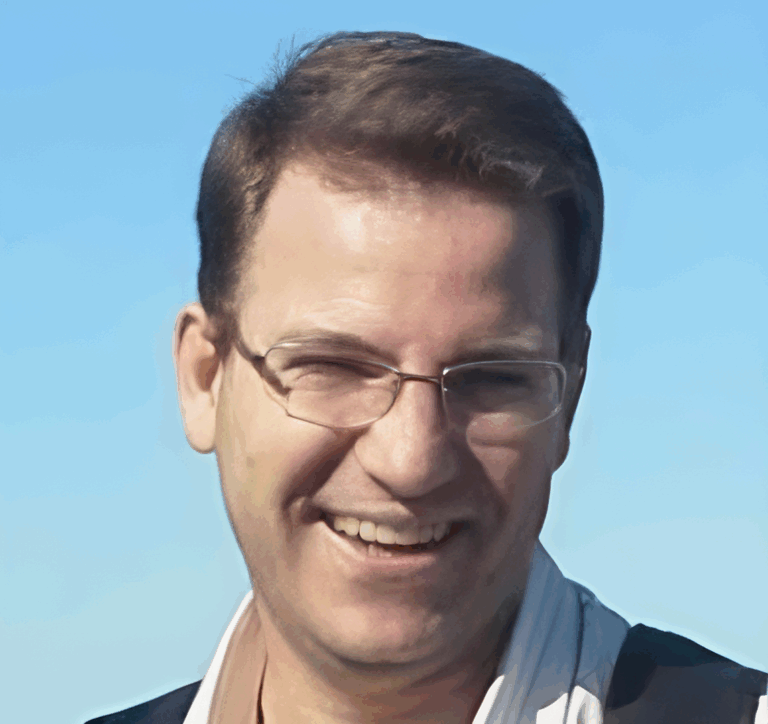
Celso Jorge Villas Boas
Presentation: From Fundamental Light Interference to Quantum Communication: A Journey Through Modern Optics
We live surrounded by natural and artificial optical phenomena—the latter used to provide comfort and enable scientific and technological advances. At the core of all this lies the interaction between radiation and matter. Today, with the advent of second-generation quantum technologies and our increasing ability to manipulate quantum states of light (such as laser or single-photon sources), fundamental questions about the nature of light and its interaction with material media have become central to developing cutting-edge technologies. In this talk, I will present recent developments from our group that address both fundamental and applied aspects of light-matter interaction. Specifically: 1- We demonstrate that all electromagnetic wave interference phenomena can be fully described within a quantum and corpuscular framework, eliminating the need for classical wave equations derived from Maxwell’s theory. For instance, we show that mode-locked pulsed lasers can be understood as continuous streams of photons, whose phase relations create matter-interacting (detectable) or non-interacting (dark) quantum states. 2- I will also present our recent progress in quantum key distribution (QKD), as part of a collaborative effort involving UFSCar, UNICAMP, IFSC/USP, Centro von Braun, UFMG, and UFC. Our main goal is the development of optical and electronic devices based on single photon or attenuated laser sources for secure communication networks.
Holds a Bachelor’s degree in Physics (1997), a Master’s degree (2000), and a PhD (2004) in Physics from the Federal University of São Carlos (UFSCar), Brazil. Completed a post-doctorate at the Max-Planck Institute of Quantum Optics (Garching, Germany, 2009-2010). Currently serves as a Full Professor at the Federal University of São Carlos. Has extensive experience in the field of Physics, with an emphasis on Quantum Optics and Quantum Information, particularly in: cavity quantum electrodynamics, trapped ions, quantum teleportation, quantum computing, and light scattering by atomic ensembles. Former Head of the Physics Department at the Center for Exact Sciences and Technology (CCET) of UFSCar, former Coordinator of the Physics Licentiate Degree Program at CCET/UFSCar, and former Coordinator of the Graduate Program in Physics at CCET/UFSCar.
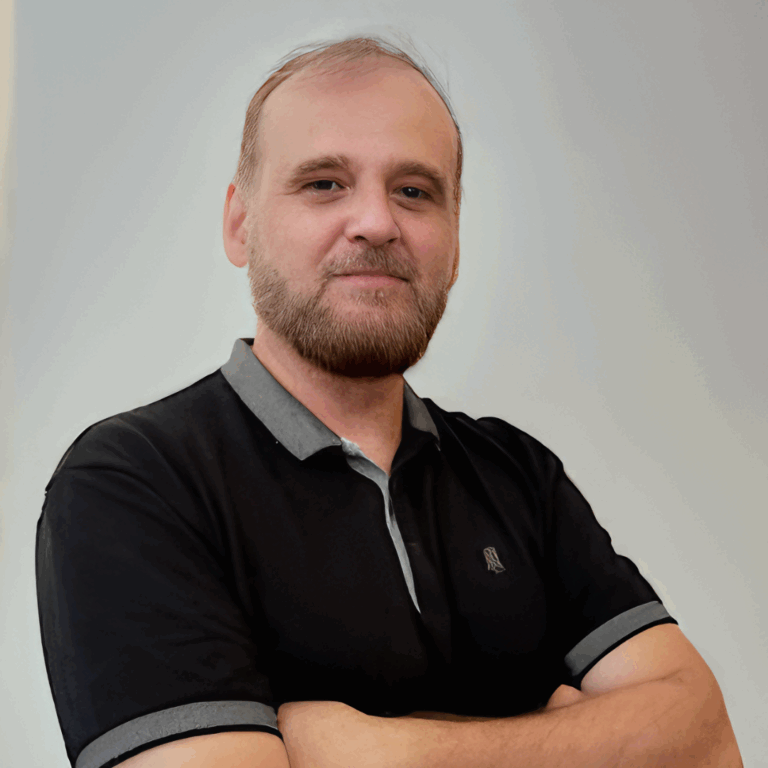
Cleber Renato Mendonça
Presentation: Ultrafast laser processing for novel photonic system
Ultrafast laser processing has revolutionized material science and photonics, offering high resolution and the ability to precisely tailor material properties for applications ranging from high-speed optical communications to biomedical breakthroughs. In this talk, we will present some of our recent breakthroughs, where ultrafast lasers are at the core of our efforts to develop the next-generation photonic systems. Our work spans 3D micro- and nanofabrication, integrated photonic devices, including on-chip micro-lasers and nonlinear waveguides, and innovative platforms for biophotonics and quantum technologies. These advancements are paving the way for more efficient, compact, and functional photonic devices and systems, with the potential to transform multiple areas of science and technology.
Cleber R. Mendonca received his PhD in physics in 2000 from the University of Sao Paulo, Brazil. In 2001 he worked as a postdoc at the College of Optics and Photonics (CREOL), University of Central Florida. He was hired at the Sao Carlos Institute of Physics, University of Sao Paulo in 2001, where he is currently Full Professor. In 2003, together with other professors, he founded the Photonics Group at the IFSC/USP. From 2005 to 2007, he was a postdoc at Harvard University, where he worked on femtosecond-laser microfabrication and ultrafast dynamics in solids. In 2022 he was a visiting researcher visiting professor at Massachusetts Institute of Technology (MIT) in the Photonic Materials group. He is a member of the Fulbright Alumni, is a senior member of Optica (formerly known as The Optical Society – OSA), and member of Materials Research Society (MRS) and SPIE. He published ca. 330 papers in refereed journals, which received ca. 5,700 citations (h = 37) in the Web of Science, and 8,179 citations (h = 45) in Google Scholar, in October 2024, filed 5 patents, and supervised 46 MSc and PhD students. In 2010 he was awarded the ICO/ICTP Gallieno Denardo award. Prof. Mendonca has led research into the nonlinear spectroscopy of novel photonic materials and advanced processing of materials with ultrashort laser pulses.

Claire Cisowski
Presentation: Skyrmions as topological light fields.
Researcher at the Department of Physics and Astronomy at the University of Glasgow, UK
Former president of the Optica Student Chapter of Universidade Federal do Rio Grande do Sul (2018-19)
Skyrmions are topologically protected field configurations that have been observed in condensed matter systems, chiral magnetic systems and nematic liquid crystals, and most recently in optic. Since their initial conception in 2018, optical skyrmions have attracted considerable attention due to their highly reconfigurable properties. Unlike their magnetic counterparts, optical skyrmions are free from energy constraints and therefore allow the investigation of topological stability in its purest form. In this talk, I will provide a definition of optical skyrmions based on their topological model, I will show how which beams can be generated in the laboratory and I will demonstrate how we can characterize them using topological considerations.
Claire Cisowski is an early-career Leverhulme research fellow at the University of Glasgow, specializing in experimental physics with expertise in structured light, geometric phases, and topological optics. Educated in France (B.S./M.S.) and Brazil (Ph.D.), she joined Glasgow in 2020 after receiving a Royal Society Newton Fellowship, collaborating with leading optics and quantum theory groups. Her interdisciplinary work bridges pure mathematics and applied optics, including inverse design and integrated light sources. A passionate advocate for science outreach and diversity, she founded the Optica Student Chapter in Brazil, organized international research meetings, and supports women in physics. Elected chair of Optica’s Polarization Management group in 2024, she actively mentors early-career researchers and engages in public science communication.
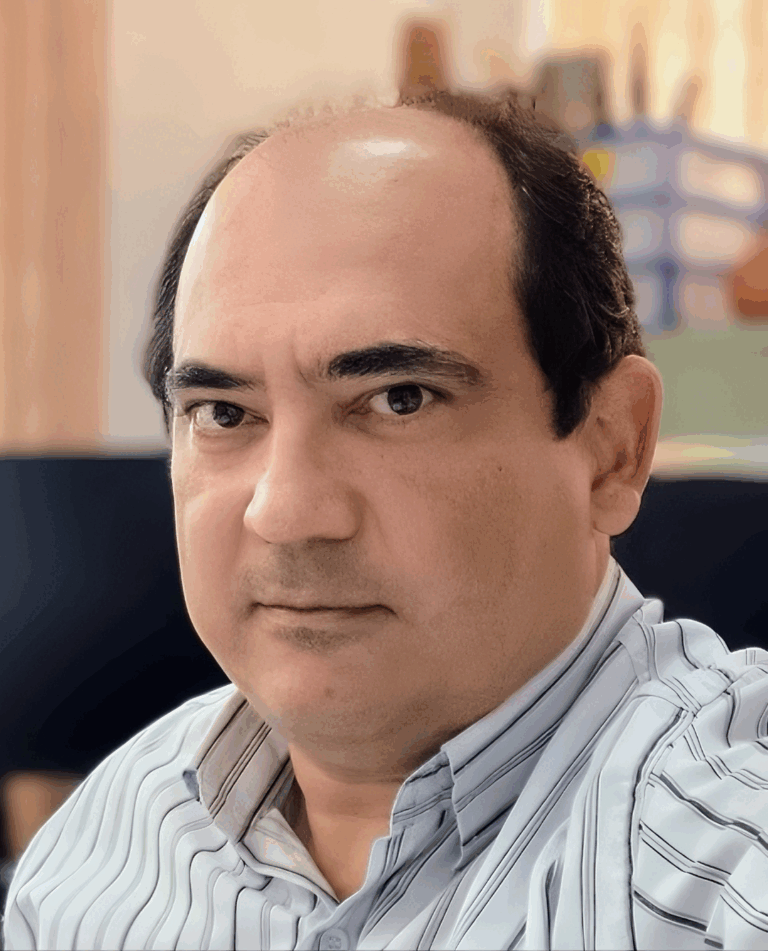
Daniel Varela Magalhães
Presentation: Atomic Standards of Time and Frequency and timekeeping applications
Time and frequency atomic references have been used as the fundamental standards for several applications in our daily lives. From basic research, aimed at studying fundamental constants, to applications such as geolocation systems, these references are part of our routine in areas that we sometimes do not imagine. This presentation will give an overview of the field, showing the current state-of-the-art and discussing some applications, like remote comparisons, time transfer and their needs and limitations.
Daniel Varela Magalhães is an associate professor at the São Carlos Institute of Physics of the University of São Paulo (IFSC-USP). Graduated in Electrical Engineering and DSc in Applied Physics, he worked from 2000 to 2008 as a Research Engineer in the Optics Group of the São Carlos Institute of Physics (IFSC-USP), also as a Invited Researcher at the Paris Observatory in 2006 working with Optical Frequency Standards with Dr. Sebastien Bize. From 2008 to 2022 he was a faculty member at São Carlos School of Engineering (EESC-USP) in the Mechatronics Group and from 2023 he is within the Optics Group of the São Carlos Institute of Physics. His research involves themes related to Scientific Time and Frequency Metrology, Optics, Embedded Systems and Instrumentation. Since 2013 he is one of the Principal Investigators of the Optics and Photonics Research Center – CePOF (CePID – FAPESP) and is responsible for the Center’s Technology Transfer and Innovation. He is responsible at USP for the scientific and metrological development of the theme Time and Frequency Metrology of the Network of Laboratories Associated with INMETRO for Innovation and Competitiveness – LAIIC (INMETRO is the Brazilian National Metrology Institute). The main focus of his research is the development of Atomic Frequency Standards based on Cold Atoms, like Atomic Fountains. He represents Brazil and is currently the chair of the C2 commission (Fundamental Constants) of the International Union of Pure and Applied Physics, participating in Working Group 2 for the review of the VIM (International Vocabulary of Metrology) of the BIPM (International Bureau of Weights and Measures).
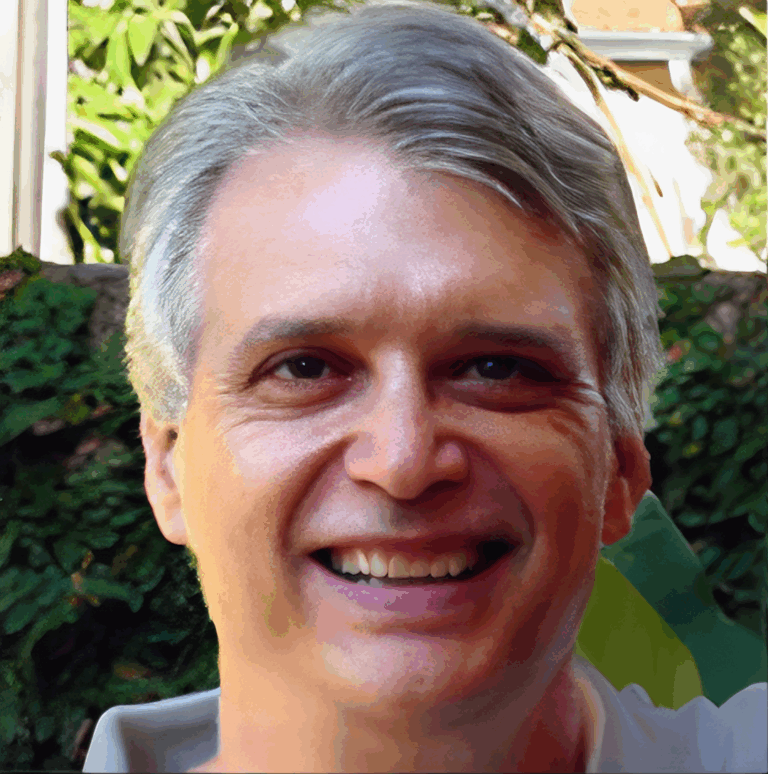
Evandro Conforti
Presentation: Photonic Integrated Circuits Basic Challenges and Promises
Initially, a comparison between electronic and photonic basic devices, and the advantages of planar integration are presented, followed by a description of the main techniques of photonic integrated circuits: silicon photonics; indium phosphide materials; silicon nitride devices; hybrid photonics; and opportunity to high-speed electronics-photonics devices in the same platform. Finally, the promises and challenges for 6G and sensor applications will be discussed.
Holds a degree in Electronic Engineering from the Aeronautics Institute of Technology (ITA, 1970), a Master’s degree in Electrical Engineering from the Federal University of Paraíba (1972), a Master of Applied Sciences from the University of Toronto (1978), a PhD in Electrical Engineering from the State University of Campinas (Unicamp, 1983), and completed a post-doctorate at the University of Illinois at Urbana-Champaign, USA (1992-1994). Currently serves as a Permanent Collaborating Full Professor at the State University of Campinas.
Prof. Conforti is the Executor of Agreement 95394 – Erasmus+, in partnership with Prof. Giampiero Contestabile between Unicamp and the Scuola Superiore Sant’Anna, Italy. He is the Coordinator of the Fapesp/MCTI Thematic Project (contract 2021-06569-1), valued at 4 million Brazilian Reais, entitled “Strategic Technologies for High-Speed Internet,” running until July 31, 2028.
He is a member of the Management Committee of the ICT-MCTI-CNPq Project 408345/2024-1, valued at 14 million Reais, coordinated by Prof. Marcelo Segatto of UFES, entitled “National Institute of Photonic Technologies for Digital Transformation.” He is the Coordinator of the CNPq Universal Project 402081/2023-4, valued at 192,000 Reais, in the area of Photonic Integrated Circuits for Applications in Ultra-Fast Internet and 5G/6G Networks, effective until December 2026.
He participates as a Researcher in the Fapesp Multiuser Laboratory Equipment Project (Process 2022/11596-0), valued at 13 million Reais, involving optical system test equipment with 65 GHz bandwidth, running until July 31, 2030.
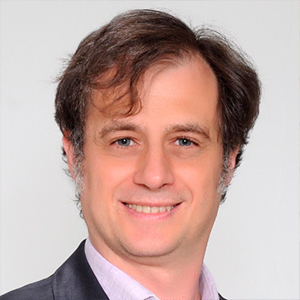
Filippo Ghiglieno
Presentation: From Snell to quantum cryptography: the optical fiber that connects the world
Professor at the Federal University of São Carlos (UFSCar)
The optical fiber is the true backbone of the telecommunications revolution. Lying beneath the oceans, buried under cities, and running discreetly beneath our feet, it forms the invisible infrastructure that connects people and systems on a global scale. Thinner than a human hair, it functions as a waveguide capable of carrying terabits of information per second across thousands of kilometers with minimal losses. The journey begins with Snell’s Law, which provided the theoretical foundation for understanding light confinement, and reaches the pioneering experiments carried out in Brazil in the 1970s at the Gleb Wataghin Institute of Physics, Unicamp, where the Quantum Electronics Department produced the first domestically manufactured fiber in 1977. This effort, supported by Telebrás and later transferred to CPqD and the company ABC-Xtal, consolidated optical fiber as the essential physical layer of the OSI stack and as a driving force behind network digitalization. As a protagonist of the first quantum revolution, together with the laser that transformed communications, optical fiber now returns to center stage in the second quantum revolution, serving as the infrastructure for advanced information and security systems. It enabled the global expansion of the internet, supported transmission rates of tens of gigabits per second, and continues to evolve as the backbone of secure, high-speed communications in the 21st century. This talk traces that scientific and technological thread, revealing how science, industry, and society intertwine in a journey that spans from glass to quantum. It further highlights how optical fiber today plays a crucial role in the implementation of advanced, more secure protocols (QKD), paving the way for the internet of the future: the quantum internet.
Filippo Ghiglieno has been a professor at the Federal University of São Carlos (UFSCar) since 2013, where in 2016 he founded the Laboratory of Optics, Lasers, and Photonics (OLAF) with support from FAPESP and CAPES. Before his academic career, he spent over 13 years in the private sector working for major international telecommunications companies, including Telecom Italia, Agilent Technologies, and Avago Technologies, focusing on the development of photonic devices for high–bit-rate transmissions (10–40 Gbit/s) and long-haul optical links. At ÓLAF, he is currently engaged in research and teaching on systems and protocols aimed at integrating quantum technologies into existing optical infrastructure. He coordinates projects funded by FAPESP and CNPq in the fields of photonics and quantum communications and is one of the leading promoters of BRAQ.TEC (Brasil em Avanço Quântico e Tecnologia), a national program that fosters a synergistic effort among UFSCar, USP, UnB, IME, and CPqD for training and research in quantum technologies. Most recently, he has been structuring at the Institute of Physics of the University of Brasília (UnB) the laboratory <qu|ANT|ec>, dedicated to advancing the integration of quantum technology into education and research for telecommunications.
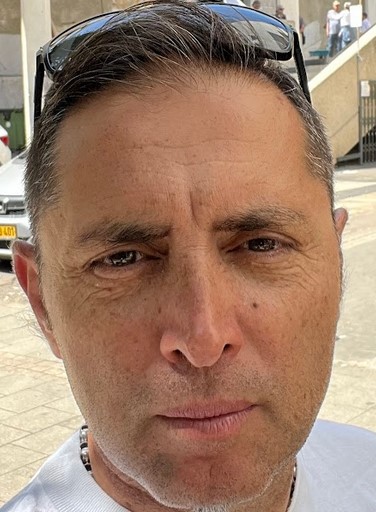
Giorgio Senesi
Presentation: Laser-induced Breakdown Spectroscopy: Afast in-situ technique applied to identify and discriminate grains and seeds of different nature and detect plant viruses
Geologist and researcher at the Italian National Council Research (CNR), Institute for Plasma Science and Technology (ISTP), Bari seat, Italy.
Laser-induced breakdown spectroscopy (LIBS) is a straightforward and adaptable technique of atomic emission spectroscopy based on focusing a short-duration, fast-pulsed laser beam onto a sample, thus producing a plasma of its constituent elements, which are then detected by spectral analysis of the light emitted. LIBS analysis can be performed quickly in-situ in a laboratory setting or outdoors in a natural setting. Depending on the intrinsic limit of detection of each element in each material, LIBS can analyze almost all elements in the periodic table both qualitatively and quantitatively. In particular, LIBS is especially sensitive to the light elements H, Li, Be, B, and C, which are difficult or even impossible to be analyzed by most traditional techniques. The broadband LIBS spectrum can be thought of as a diagnostic chemical fingerprint.
My talk will illustrate how LIBS has been recently used in different applications to: (i) distinguish among batches of soybean seeds of different physiological quality based on their nutrient content; (ii) identify and discriminate different varieties of conventional (not-genetically modified, NGM) maize from varieties of transgenic maize (genetically modified, GM); and (iii) early detect plant pathogens in order to prevent the dramatic impact they may have on plants.
The potential of routine LIBS application across a wide range of agro-photonics sectors is enormous, but it is currently only partially realized. This is due to the necessity of analytical instrumentation for the quick chemical analysis in the field and the ability of LIBS to analyze any type of material (gas, liquid, and solid) in real time with little to no preparation.
Dr. Giorgio S. Senesi is a geologist and researcher at the Italian National Council Research (CNR), Institute for Plasma Science and Technology (ISTP), Bari seat, Italy, since 2001. He holds a BA/MS (1995) and a PhD in Earth Sciences (1999) from the University of Bari, Italy. From 2000 to 2001 he was a postdoctoral research fellow at the Department of Plant and Soil Sciences, University of Delaware, Newark, DE, USA.
Research interests: Laser-Induced Breakdown Spectroscopy applied to minerals, gems, rocks, meteorites, soils, fertilizers, plants and cultural heritage, laser-matter interaction, laser spectroscopy, morphological characterization techniques (AFM, SEM, TEM) and nanocrystalline diamond films.
Author of over 150 scientific and technical publications and 14 book chapters, editor of the book “African Meteorites” by Bentham Books (2023) and of the forthcoming book “Laser-Induced Breakdown Spectroscopy – A 21st Century Analytical Tool for the Geosciences” (2025) by Cambridge Scholars. Author h-index (Scopus): 34; Total citations (Scopus): 3830 ORCID profile: https://orcid.org/0000-0002-3947-6853
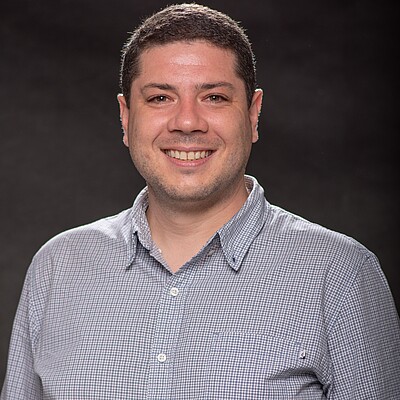
Henrique Guimarães Rosa
Presentation: Thickness-Dependent Second Harmonic Generation in Mechanically Exfoliated 3R-Niobium Disulfide: An Experimental and Theoretical Study
School of Engineering, Mackenzie Presbyterian University
Layered materials, such as transition metal dichalcogenides (TMDs) [1] have been widely explored for second- (SHG) and third-harmonic generation (THG), enabling a broad range of photonic applications such as frequency conversion [2], all-optical processing [3], and light modulation [4]. Niobium disulfide (NbS2) is a Group V layered TMD stabilized in the 3R phase, which inherently exhibits SHG regardless of thickness. Unlike most TMDs, which exhibit a semiconducting nature, NbS2 is metallic. In this work, we investigated the SHG in mechanically exfoliated NbS2 of different thicknesses and compared our results with SHG from CVD-grown monolayer MoS2. Furthermore, atomic force microscopy (AFM) and Raman spectroscopy were employed to determine the thickness and vibrational modes of the investigated flakes, while optical microscopy was used to obtain reflectance and transmittance data in order to probe their optical properties. Polarization-resolved SHG was characterized in transmission and reflection modes using a confocal laser microscopy setup, with 1560 nm, 42 fs, 99 MHz pump laser and signal detection by a grating spectrometer (Andor spectrometer, colled CCD camera model iDus 416). A systematic investigation of SHG as a function of thickness revealed good agreement between experimental results and theoretical modeling. In transmission mode, the SHG intensity exhibited a pronounced maximum for flakes in the 150–200 nm range, followed by a gradual decrease for thicker samples, reaching minimal values above 400 nm. On the other hand, in reflection mode, the SHG response remained significant across almost the entire thickness range, peaking around 300 nm and remaining approximately constant for thicker flakes. This behavior highlights the interplay between constructive and destructive interference, as well as phase-matching mechanisms in layered materials. Furthermore, our comparative study between monolayer MoS2 and NbS2 flakes (65–600 nm) reveals that NbS2 exhibits a second-order optical susceptibility (𝜒2) of the same order of magnitude as monolayer MoS2. These characterizations of the nonlinear optical response of NbS2 highlight it as a promising candidate for next-generation two-dimensional materials-based photonic and optoelectronic devices, including all-optical switching and frequency conversion applications.
Henrique Guimarães Rosa is a physicist with doctorate (2015) in Electrical Engineering, both by Mackenzie University. He was a research associate at the Centre for Advanced 2D Materials at the National University of Singapore (2015-2020), where he investigated the nonlinear optical properties of novel two-dimensional materials and their heterostructures, with a special interest in the generation of second and third harmonics and valley polarization in transition metal dichalcogenides. Currently Henrique G. Rosa is an Assistant Professor at the School of Engineering at Mackenzie Presbyterian University, where he teaches Physics for the Electrical Engineering course (Experimental Physics and Electromagnetism), and develops research with the Mackenzie Photonics Group on nonlinear optical properties of two-dimensional materials and applications of nanomaterials in ultrafast optical phenomena.
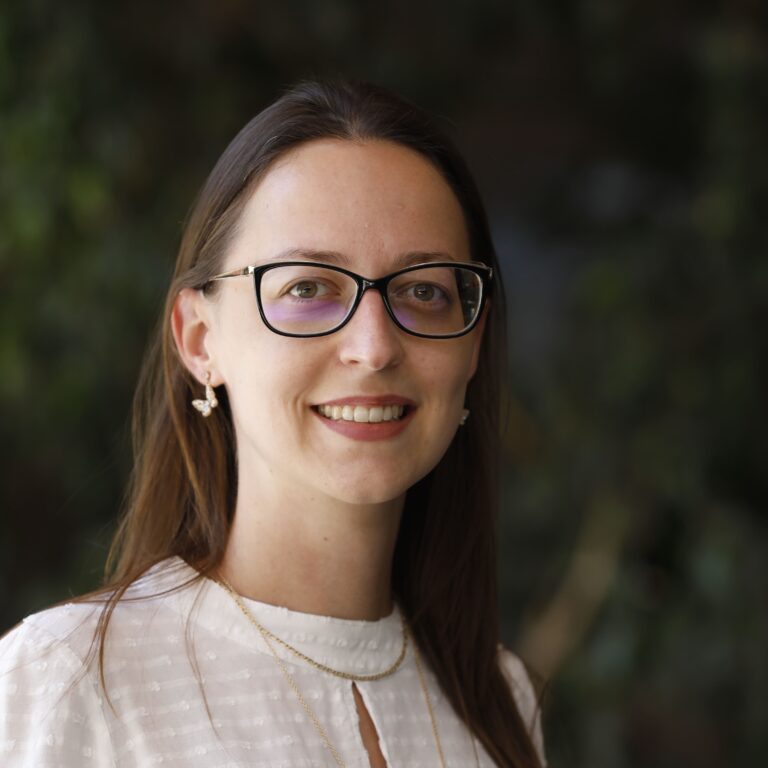
Hilde Harb Buzza
Presentation: Use of Photosynthetic Microalgae to Optimize the Photodynamic Effect
Assistant Professor at Faculdad de Física, Pontificia Universidad Católica de Chile, Santiago, Chile
Photodynamic therapy (PDT) is a promising approach for the treatment of infections and cancer, but its effectiveness is limited by its dependence on molecular oxygen. The low oxygenation of tissues, common in infections and tumors, reduces the generation of reactive oxygen species (ROS), compromising the antimicrobial and antitumor action of PDT. In this talk, we present an innovative strategy to overcome this limitation: the incorporation of photosynthetic microalgae into PDT, providing a continuous source of oxygen at the site of action under light exposure. In the treatment of infected wounds, we are developing a hydrogel dressing that combines photosensitizers and microalgae, optimizing light and oxygen delivery directly to the wound. In the oncological context, we explore the use of microalgae to enhance PDT efficacy, both independently and in combination with radiotherapy.
Our studies range from photophysical characterization to in vitro testing, with future application in murine models of infected wounds and tumors. This approach represents a significant advancement in optimizing PDT, opening new perspectives for the treatment of infections and expanding its potential in oncology.
Currently, an Assistant Professor at the Institute of Physics of the Pontifical Catholic University of Chile in Santiago, working in biophotonics. She graduated in the first class of the Physical and Biomolecular Sciences program.
During her Master’s and PhD, she studied the vascular effect of photodynamic therapy using the chorioallantoic membrane model in chicken eggs at the Optics Group of the São Carlos Institute of Physics (IFSC) at the University of São Paulo.
She completed a post-doctorate at IFSC, funded by FAPESP in collaboration with UHN (Canada), working on the combination of Photodynamic Therapy and Photothermal Therapy for tumor treatment and the use of nanotechnology to develop efficient protocols for treating pneumonia with PDT.
Furthermore, her research lines include: sporotrichosis treatment, study of the vascular effect and clinical application of PDT in human and veterinary skin cancer and HPV lesions, using optical techniques.
Hugh James Byrne
Presentation:
Received his Bachelor of Arts (moderatorship) degree in Experimental Physics, from University of Dublin (Trinity College) in 1985. Received his PhD in Experimental Physics, from University of Dublin (Trinity College), 1989 with a research thesis entitled “On the Origins and Nature of the Nonlinear Optical Properties of Organic One Dimensional Polymers”, supervised by Prof. Werner Blau.
Held a postdoctoral research fellowship in Physics Department, Trinity College Dublin from October 1989- April 1991.
Research Scientist at the Max-Planck-Institut für Festkörperforschung, Stuttgart, from April 1991-July 1995, funded in part by a Marie-Curie Fellowship.
Visiting Research Scientist at the National Institute of Materials and Chemistry Research, Tsukuba, Japan, October 1995- January 1996.
Appointed to staff of Dublin Institute of Technology in January 1996, as lecturer in the School of Physics. Seconded as manager and Head of the FOCAS Research Institute at DIT in 2000. Awarded Honorary Professorship of DIT (internationally reviewed), December 2008.
Appointed Lead of TU Dublin Physical to Life Sciences Research Hub in May 2023.
Kassio Lima
Presentation: Use of multivariate classification algorithms with variable selection applied to biospectroscopy
Vibrational spectroscopy techniques, such as Fourier-transform infrared (FTIR) and Raman spectroscopy, have been successful applied to investigate the interaction of light with biological materials and facilitating novel cell biology analysis. Spectrochemical analysis is very attractive in disease screening and diagnosis, microbiological studies and forensic and environmental investigations because of its low cost, minimal sample preparation, non-destructive nature and substantially accurate results. However, there is now an urgent need for multivariate classification protocols allowing one to analyze biologically derived spectrochemical data to obtain accurate and reliable results. Multivariate classification comprises discriminant analysis and class-modeling techniques where multiple spectral variables are analyzed in conjunction to distinguish and assign unknown samples to pre-defined groups. The requirement for such protocols is demonstrated by the fact that applications of deep-learning algorithms of complex datasets are being increasingly recognized as critical for extracting important information and visualizing it in a readily interpretable form. Hereby, we have provided a tutorial for multivariate classification analysis of vibrational spectroscopy data (FTIR, Raman and near-IR) highlighting a series of critical steps, such as preprocessing, data selection, feature extraction, classification and model validation. This is an essential aspect toward the construction of a practical spectrochemical analysis model for biological analysis in real-world applications, where fast, accurate and reliable classification models are fundamental.
Holds a degree in Chemistry from the University of Rio Grande do Norte (2003), a Ph.D. in Sciences from the State University of Campinas (2009), and a postdoctoral fellowship at the Spanish National Research Council (CSIC) in Barcelona, Spain (2013). Served as a Visiting Researcher at Lancaster University (Lancaster, UK) in 2014 and at the University of Central Lancashire (Preston, UK) in 2019. Participated as a Professor in the European Erasmus Mundus Programme (EMQAL) from 2014 to 2024, teaching chemometrics in Portugal, Spain, Poland, and Norway. Acted as a Visiting Researcher at Blackpool Victoria Teaching Hospitals NHS Trust in 2024. Currently serves as an Associate Professor IV at the Institute of Chemistry of the Federal University of Rio Grande do Norte and is a CNPq Productivity Fellow, level 1D (Chemistry Committee). Has coordinated the Biological Chemistry Research Group at the Institute of Chemistry at UFRN since 2010.
Marcelo Eduardo Vieira Segatto
Presentation: Optical Fiber Sensors and Applications
Associate Professor at the Instituto Superior Técnico, Lisboa, Portugal
Senior member of the Institute of Electrical and Electronics Engineers (IEEE)
Optical fibers have been broadly applied in optical communication systems. But research efforts also have been addressed to use such fibers as a sensor element since 1970’s. Optical fiber sensors evolved as important devices for monitoring and measurement systems due to their high precision and versatility. Recently, the fast growth of optical fiber sensing technology has stimulated research and applications in different areas, such as industrial, medical, aerospace, civil, among others. Measurements of diverse physical and chemical parameters, such as liquid level, temperature, strain, pressure, deformation, refractive index, require several experimental arrangements and principles such as nonlinear effects or techniques, e. g. diffraction gratings. In this talk, I will provide an overview of the main fiber sensors developed at Ufes, in the Laboratory of Telecommunications (LabTel) and associated laboratories. An innovative approach using sensor multiplexing and the use of deep neural network approaches or traditional machine learning to data processing will also be discussed.
Holds a degree in Electrical Engineering from the Federal University of Espírito Santo (1991), a Master’s degree in Electrical Engineering/Communications from the State University of Campinas (1994), and a PhD in Physics from Imperial College of Science, Technology and Medicine (2001). He worked as a researcher at British Telecom and subsequently at the Corning Research Centre (CRC) between 1998 and 2001. He completed a post-doctoral internship at INESC-Porto in Portugal in 2007.
He develops research in partnership with various national and international companies and with several research groups in Brazil and abroad in the areas of telecommunications, design and performance analysis of optical access and transport networks, systems and devices for optical communications, communications over low and medium-voltage power lines, and more recently in wireless sensor networks and fiber optic sensors.
Currently, he is a Full Professor in the Department of Electrical Engineering at the Federal University of Espírito Santo. He is a Senior Member of OSA – The Optical Society and a member of several scientific societies in Brazil and abroad. He coordinates or has coordinated numerous research, technological development, and innovation projects. He is a member of the technical-scientific council of the Espírito Santo Research and Innovation Foundation (FAPES) and has served on several technical-scientific committees for CAPES and CNPq. He is involved in UFES’s internationalization projects.
He has extensive experience in the field of Electrical Engineering, with an emphasis on Telecommunications Systems, working primarily on the following topics: telecommunications, optical communications, optical networks, applied electromagnetism, and optical devices. Since the beginning of the New Coronavirus pandemic, he has coordinated several actions in the technological area to mitigate the effects of COVID-19.
Marcelo Nalin
Presentation: Rare Earths Containing Garnets Single Crystals for Magneto-Optical and Luminescent Sensors
This study demonstrates a breakthrough in sustainable luminescent and magneto-optical materials by synthesizing high-quality rare-earth-doped gallium, aluminum, and iron garnet single crystals. Using a novel supersaturated solution methodology, we achieved controlled nucleation and growth of phase-pure crystals (10–50 μm) through optimized thermal treatments, maintaining exceptional optical transparency. Structural, optical, and magnetic characterizations have been performed. The potential applications as sensors in various fields of photonics will be discussed.
Received his B.Sc Degree in Chemistry from the Institute of Chemistry, São Paulo State University (UNESP) Araraquara (1995), M.Sc Degree from the Institute of Chemistry, UNESP Araraquara (1998), and PhD from in Chemistry from the Institute of Chemistry, UNESP Araraquara and University of Rennes 1 – France (2002). Afterwards, he completed his postdoctoral training at University of Paris XI, France (2003), Institute of Physics Gleb Wataghin from University of Campinas (UNICAMP) (2007), Young researcher fellow at Department of Physics from Sciences Faculty of UNESP Bauru (2009) and Professor at Department of Chemistry from Federal University of São Carlos (UFSCar) (2013). He is an associate professor (MS-5.3) in Department of Analytical, Physical Chemistry and Inorganic of Chemistry Institute of UNESP in Araraquara, São Paulo State, Brazil. His research fields include the synthesis of new glasses and glass ceramics for applications in photonics, including the development of new synthesis routes and characterization of luminescent and magneto-optical materials and nanoparticles as well.
He is a member of the Technical Committee of the International Commission on Glasses
(TC-20-ICG). Reviewer of more than 20 international journals and international research
agencies ANR (France) and NSF (USA). He is a consultant of the Brazilian agencies: MCTI and CNPq. He is the Scientific Manager of the Infrastructure Programs (Multi-User Equipment – EMU) from FAPESP

Miguel Angel Venegas
Presentation: Understanding Chemical Characterization at the Nanoscale: Towards the development of a numerical Photo-induced Force Microscope (n-PifM), a virtual PiFM, for Image and spectroscopy calculations
Photoinduced Force Microscope (PiFM) is an incredible tool that allow us to obtaining chemical information of the specimens at the nanoscale by spectroscopy and imaging processes, with typical spatial resolutions < ~5 nm, and great Surface Sensitivity [1 – 6]. Even though the physics of these processes have already been well described [5,
6] there is a vast number of physical phenomena occurring at the tip to surface interaction junction for specific specimens. A well understanding of the physics through theoretical frame works is always beneficial and complementary to the research. The Virtual representations of Scanning Tunneling Microscopy (STM) and Frequency Modulation Atomic Force Microscopy (FM-AFM) have shown to be an amazing complement to the experimental research in the sense of understanding the origin of specific surface force fields, nanomanipulation strategies, the role of different tip geometries affecting the image due to the tip to object convolution effect, analyze set point parameters, etc. [7 – 10]. For a bimodal AM-AFM with frequency shift (df) tracking PiFM technique, lock-in amplifiers are required [2, 5]. Therefore, the creation of virtual lock-in amplifiers will be the first challenge to achieve. The main added values of such n-PiFM virtual machine can impact the optimization and experimental planning (cost reduction), enhanced understanding and interpretations of the physical phenomena happening at the tip to surface interaction, contribute to the instrument design developments and innovations, education and training purposes, understand the role of the extreme apex of the tip shape and functionalization, etc.
Nilson Dias Vieira Junior
Presentation: Implementation of an ultra-high-intensity laser multiuser facility in Brazil
FINEP, the Brazilian Funding Agency for Projects, has approved a proposal to implement a relativistic laser system as a multiuser research infrastructure in Brazil. The laser will be installed at IPEN and is expected to begin operations in 2026. The system will generate 15 TW pulses, centered at 800 nm, with 500 mJ and 35 fs, at 10 Hz, and will be focused to intensities above 1019 W/cm2. Initially, it will function as a compact electron and proton accelerator, capable of inducing nuclear reactions and generating radioisotopes, neutrons, gamma rays, and X-rays in ultrashort durations. Additionally, it will enable the creation of extreme conditions akin to those found inside stars and allow the study of nuclear micro fusion, opening new frontiers in atomic photonics. This cutting-edge technology will be accessible to the Brazilian scientific community, fostering advancements in high-energy physics and related fields.
Nilson Dias Vieira Junior earned a degree in Physics in 1975, followed by a master’s in Nuclear Physics (1979) and a PhD in Condensed Matter Physics (1986), all from the University of São Paulo. From 1981 to 1984, he was a visiting researcher at Bell Laboratories, AT&T, in the Quantum Electronics Group. His expertise spans optical spectroscopy, laser applications, ultrafast phenomena, and high-power lasers. He led the construction of the most powerful laser in the Southern Hemisphere at the time (1⁄2 TW, 2006). He completed the PROTAP program in Science and Technology Management at FEA/USP (1991). As a senior researcher at the Nuclear and Energy Research Institute (IPEN) of the National Nuclear Energy Commission (CNEN), he founded and directed the Center for Lasers and Applications (1987–2008). He later served as IPEN’s Superintendent from 2008 to 2012. Between 2000 and 2006, he was a Counselor at FAPESP. He established and coordinated the Professional Master’s program in Lasers in Dentistry and has contributed extensively to scientific research, authoring 513 scientific documents (148 indexed), surpassing 1,000 citations since 2020, with an h-index of 33 (Google Scholar). His mentorship includes eleven PhD and fourteen master’s students. A member of the International Committee on Ultra-High Intensity Lasers (ICUIL) under IUPAP, he has also held advisory roles at various institutions, including two terms at the Brazilian Center
for Physics Research (CBPF) and multiple terms on the University Councils of USP and UNESP. In recognition of his contributions, he received the Friend of the Navy diploma (2008) and the Order of Naval Merit, Officer rank (2010). As a Full Member of the Academy of Sciences of the State of São Paulo (ACIESP), he currently coordinates the FINEP Pro-Infra Thematic Centers project. This project focuses on ultra-high-intensity lasers, a multi-user scientific infrastructure for studying matter under extreme conditions. This initiative aims to establish the first relativistic intensity laser in the Southern Hemisphere.
Paulo Sérgio De Brito Andre
Presentation: Quantum Technology: The Pathway for Intrinsic Secure Communication
Associate Professor at the Instituto Superior Técnico, Lisboa, Portugal
Senior member of the Institute of Electrical and Electronics Engineers (IEEE).
Quantum communication represent a cutting-edge technological advancement designated to revolutionize secure communications. By applying the principles of quantum mechanics, this technology offers unprecedented levels of security, addressing vulnerabilities inherent to the classical communication systems. Unlike classical encryption methods that may become vulnerable to advances in computational power and quantum computing, quantum encryption remains secure due to its reliance on the principles of quantum mechanics.
At the core of quantum communication lies the concept of quantum entanglement. Quantum entanglement involves particles becoming interlinked such that the state of one particle is strongly correlated to the state of the other, regardless of the distance separating them. This phenomenon enables the creation of highly secure communication channels.
Quantum Key Distribution (QKD), the most mature application of quantum communication, utilizes the properties of quantum mechanics to generate encryption keys that are virtually immune to eavesdropping. Any attempt to intercept the communication alters the quantum state of the particles, thereby alerting the legitimate communicators to the presence of an intruder.
This work introduces the concept of quantum communications, representing a transformative leap forward in secure communications technology. We will describe the research progress and practical implementations by our group, demonstrating its potential to become an integral component of global communication networks and ensure the highest levels of security for future communications.
Paulo Sérgio de Brito André was born in 1971. He received the Bachelor in physics engineering (1996), the Ph.D. degree in physics (2002) and the Agregação (habilitation) title in 2011, from the Universidade de Aveiro, Portugal. In 2013, he joined the Instituto Superior Técnico, University of Lisbon, as an Associate Professor, where he is lecturing courses on Telecommunications.
His current research interests include the study and simulation of photonic and optoelectronic components, optical sensors, integrated optics, photonics applications, multi-wavelength optical communications systems and passive optical networks.
Paulo André is a senior member of the Institute of Electrical and Electronics Engineers (IEEE).

Peter Gardner
Presentation: Separating pussycats and tigers: Risk stratification of prostate cancer using infrared QCL imaging
Peter Gardner is a Professor of Analytical and Biomedical Spectroscopy at the University of Manchester. He obtained his BSc and PhD in Chemistry from the University of East Anglia and then after postdoctoral positions at the Fritz-Haber Institute in Berlin, and at the University of Cambridge, he moved to Manchester in 1994. His work focuses on the use of vibrational spectroscopy (Infrared and Raman) of complex samples with a focus on biomedical problems. In close collaboration with the Manchester Cancer Research Centre (MCRC) and the Christie Hospital in Manchester, he has worked on fundamental studies of the interaction of IR with biological tissue as well as disease diagnostics. He has a focus on prostate and breast cancer but has worked on a wide variety of tissue types and disease. In collaboration with Prof Lockyer his group are developing methods of multimodal imaging, combining both mass spectrometry and infrared imaging. He is currently the PI on the EPSRC Healthcare Technologies Network Plus grant CLIRPath-AI which brings together the fields of spectral pathology, digital pathology and artificial intelligence within the UK. He also has a keen interest in the analysis of microplastics in tissue. He has given over 100 invited talks at international conferences and is currently President of the International Society for Clinical Spectroscopy (CLIRSPEC).
Thiago Pedro Mayer Alegre
Presentation:
Associate Professor (with tenure) at the Department of Applied Physics, Gleb Wataghin Institute of Physics (IFGW), University of Campinas (Unicamp) since 2011
Research Collaboration Advisor at the Scientific Directorate of the São Paulo Research Foundation (FAPESP)
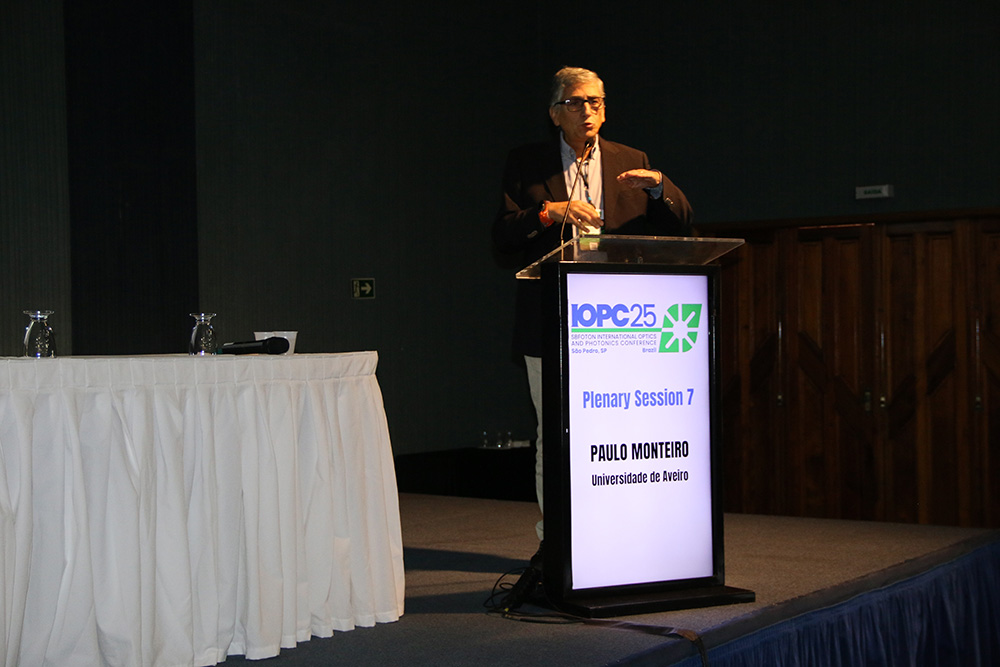
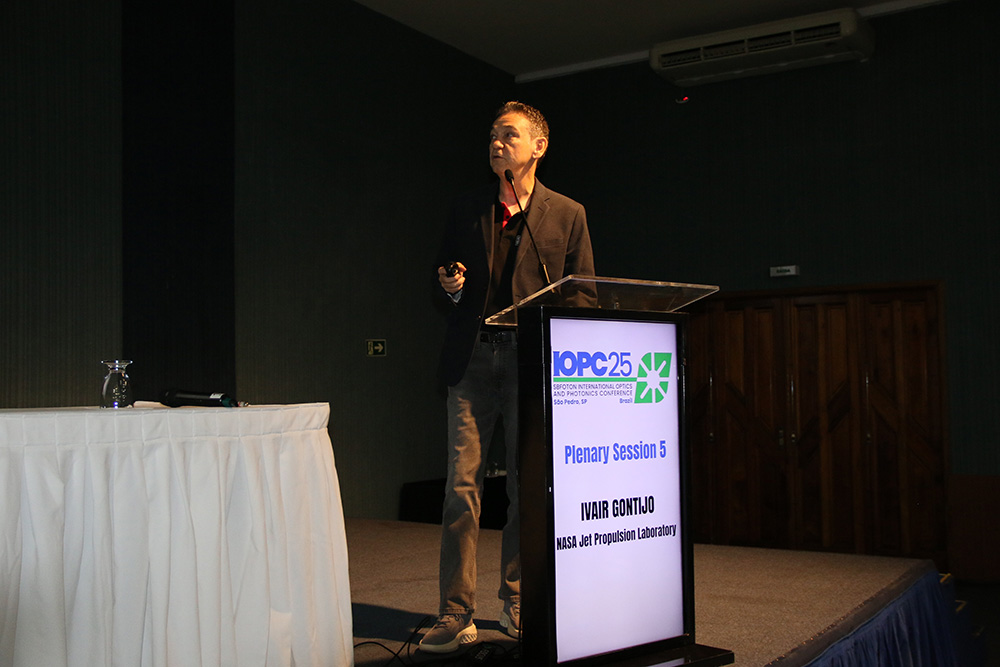
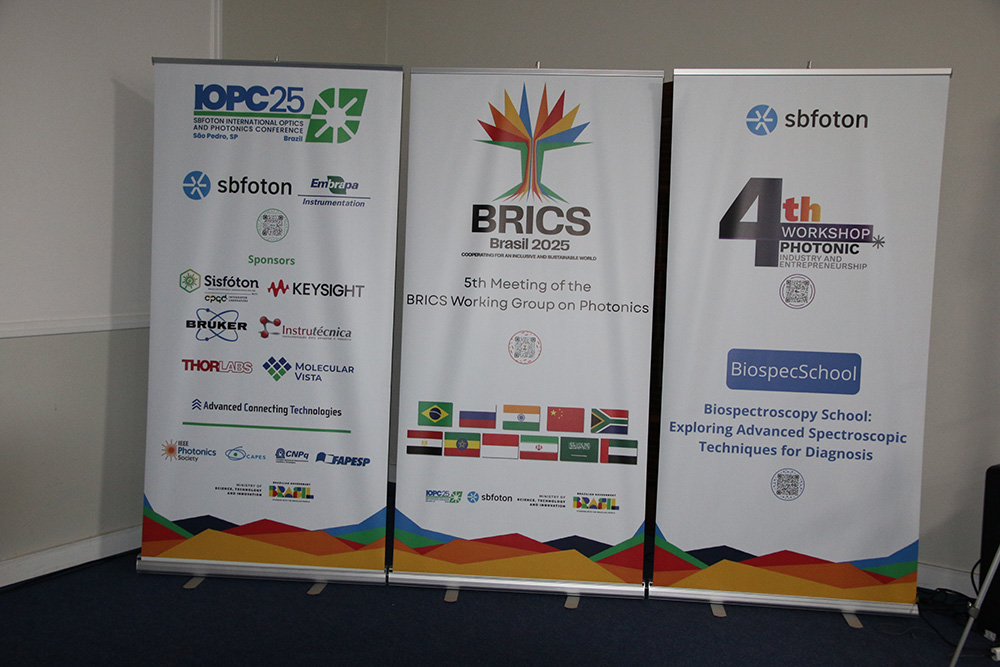
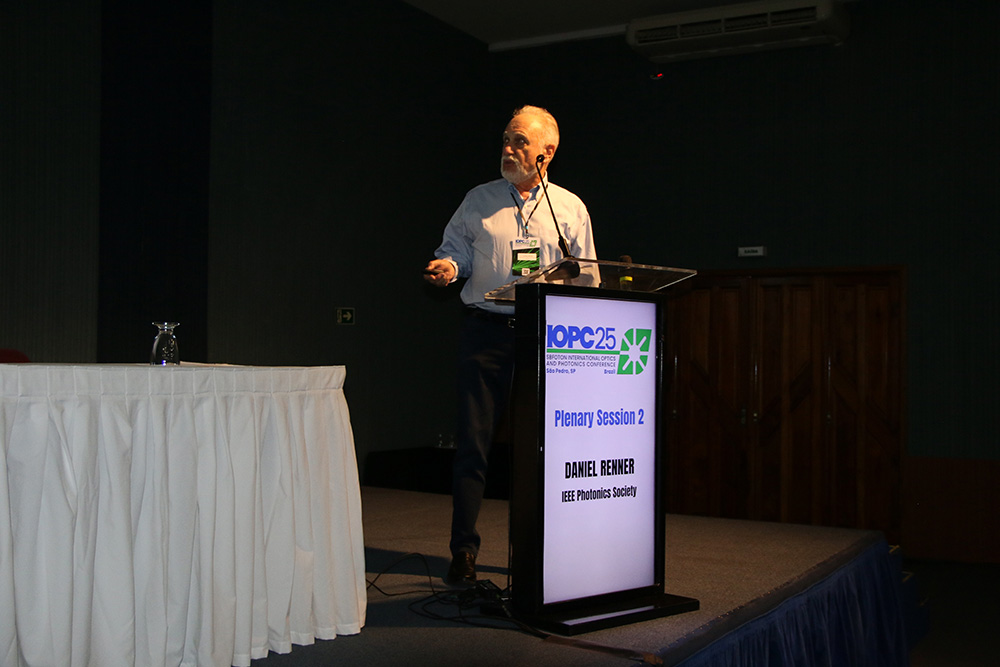
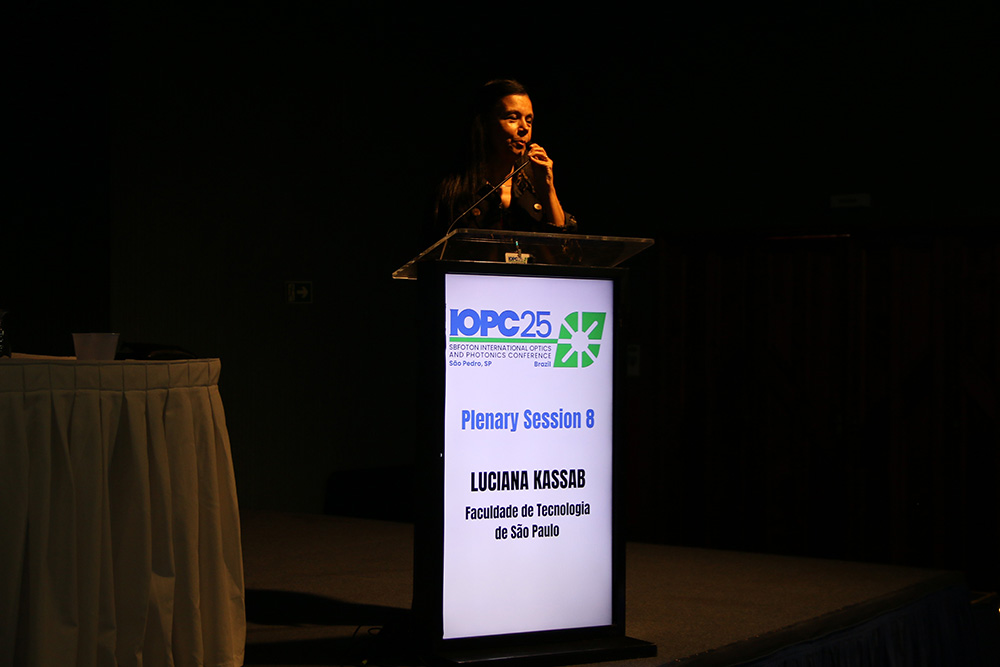
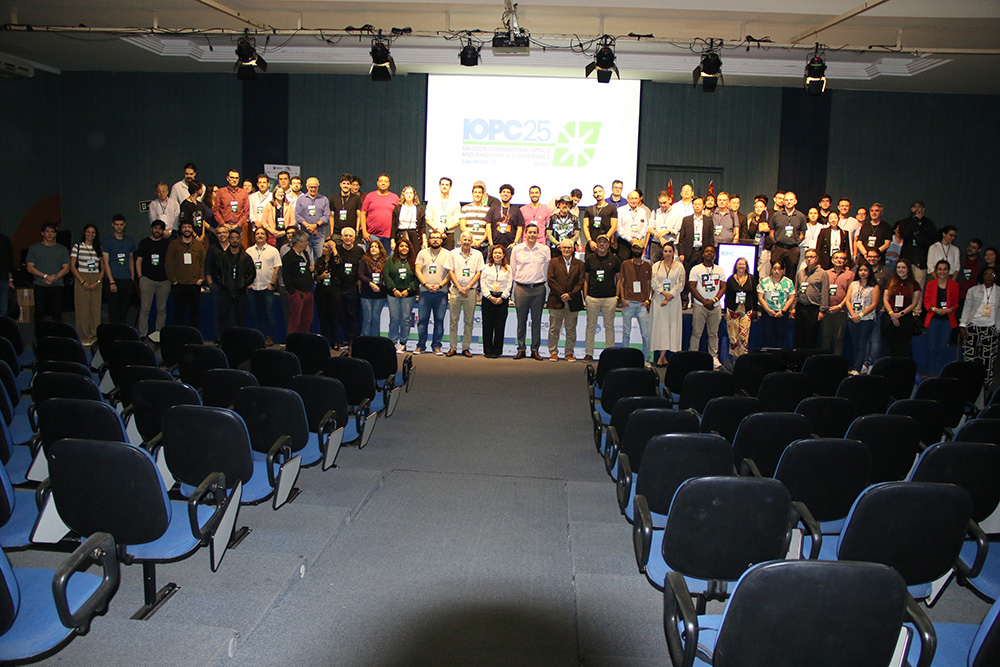
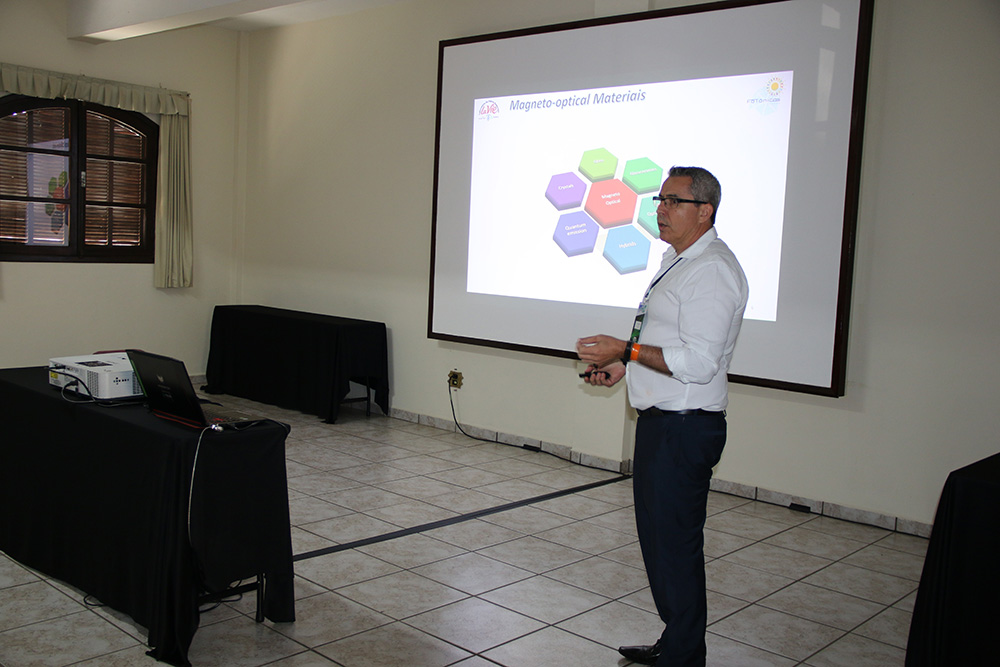
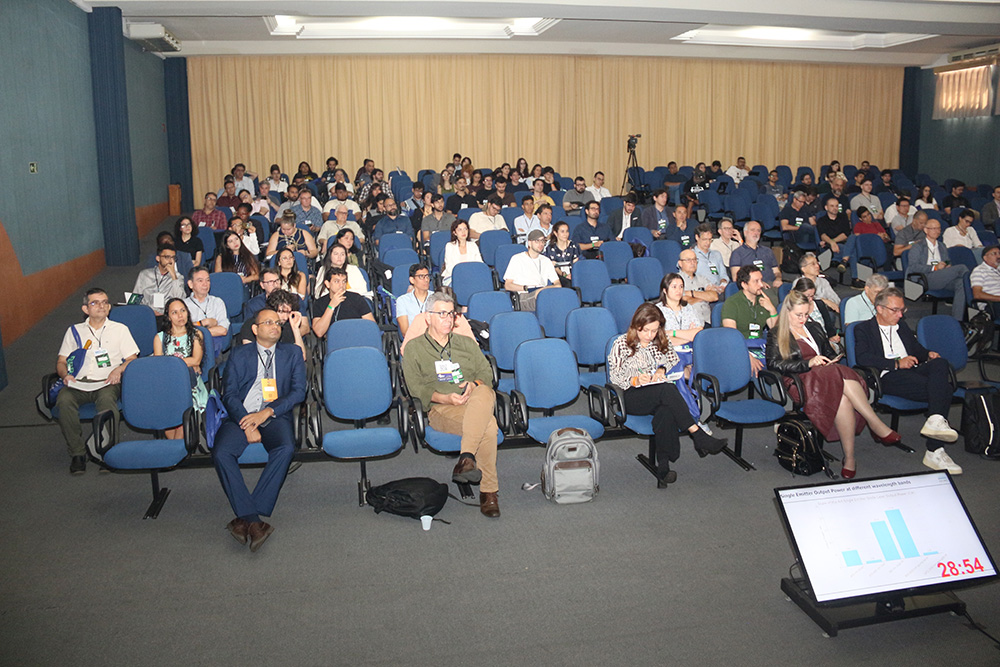
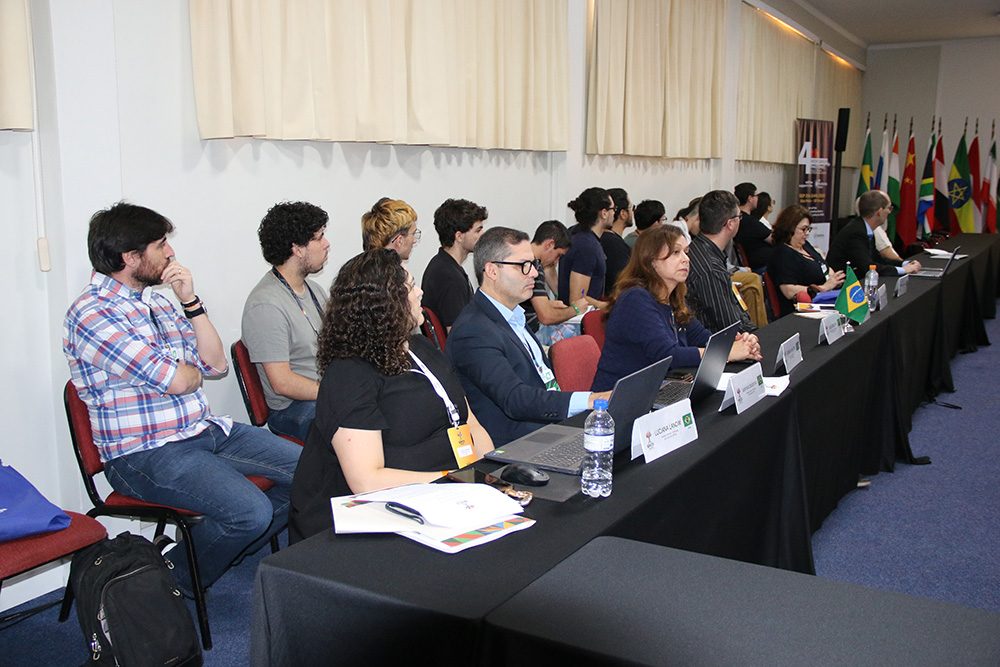
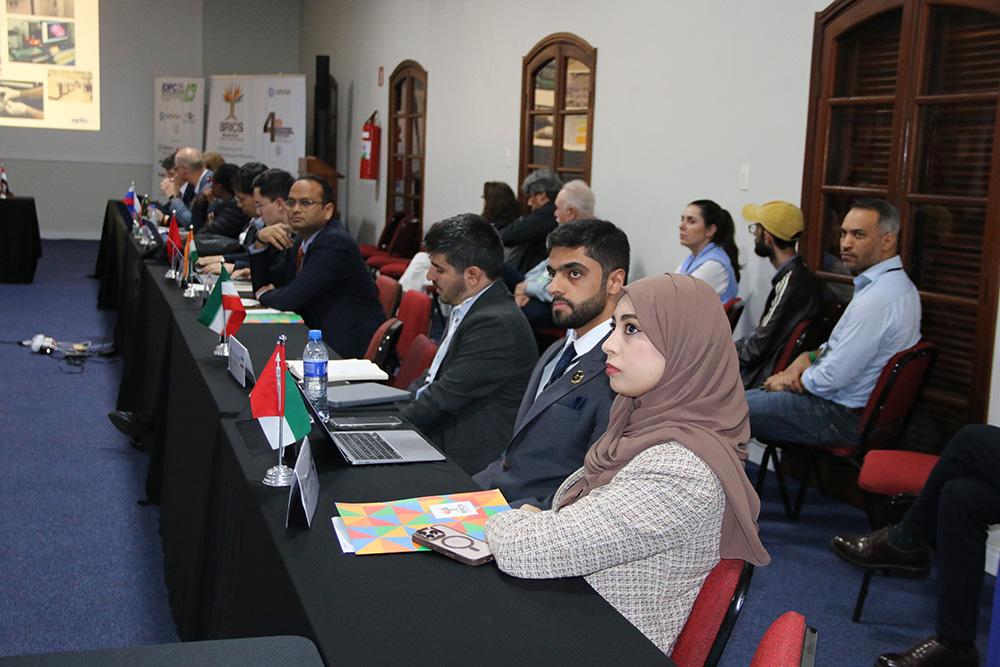
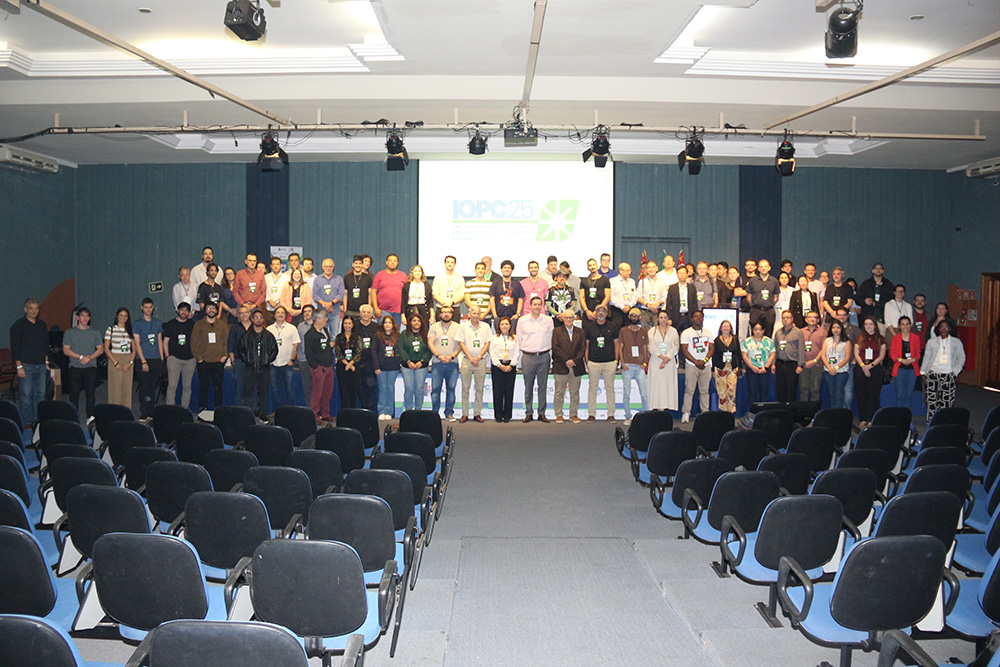
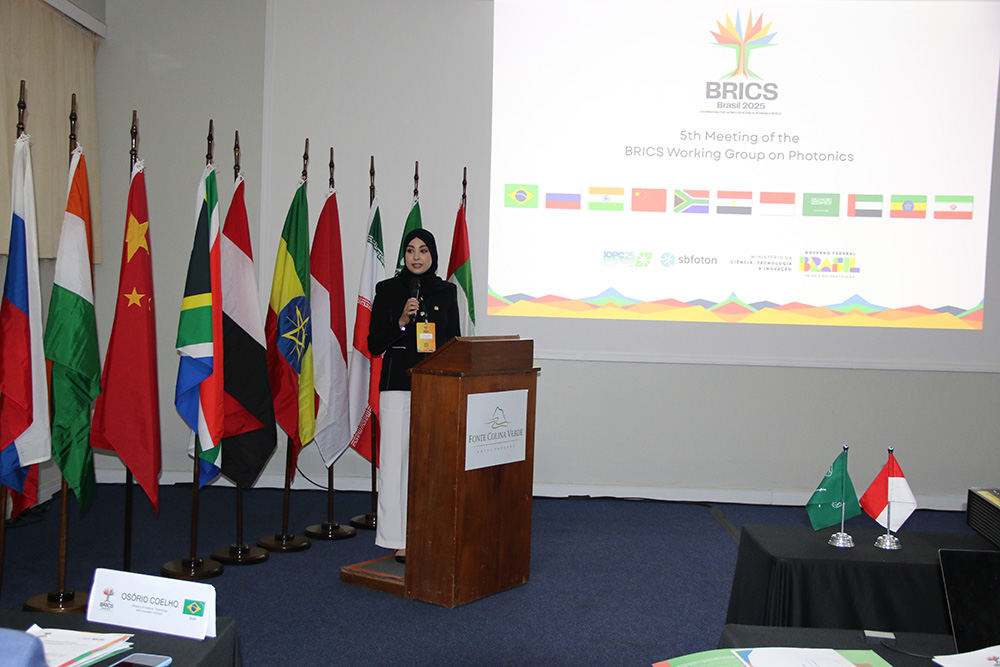
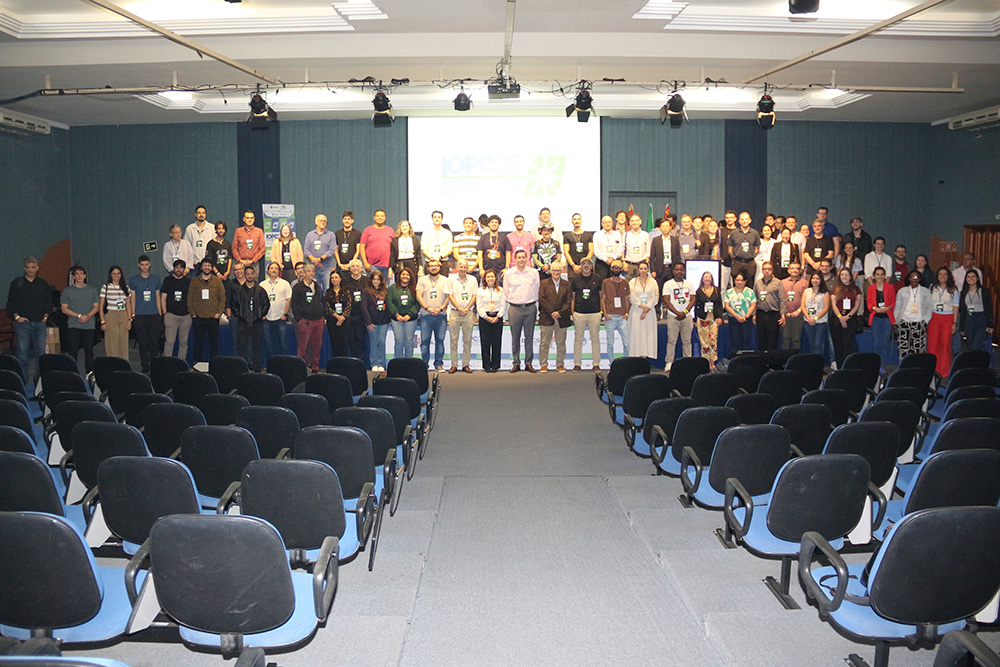
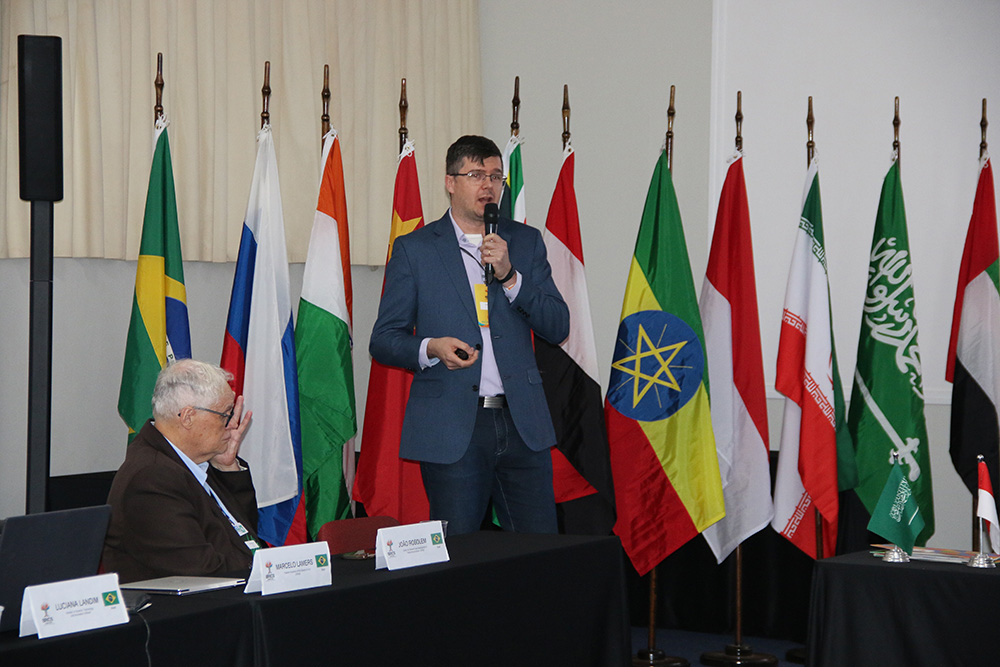
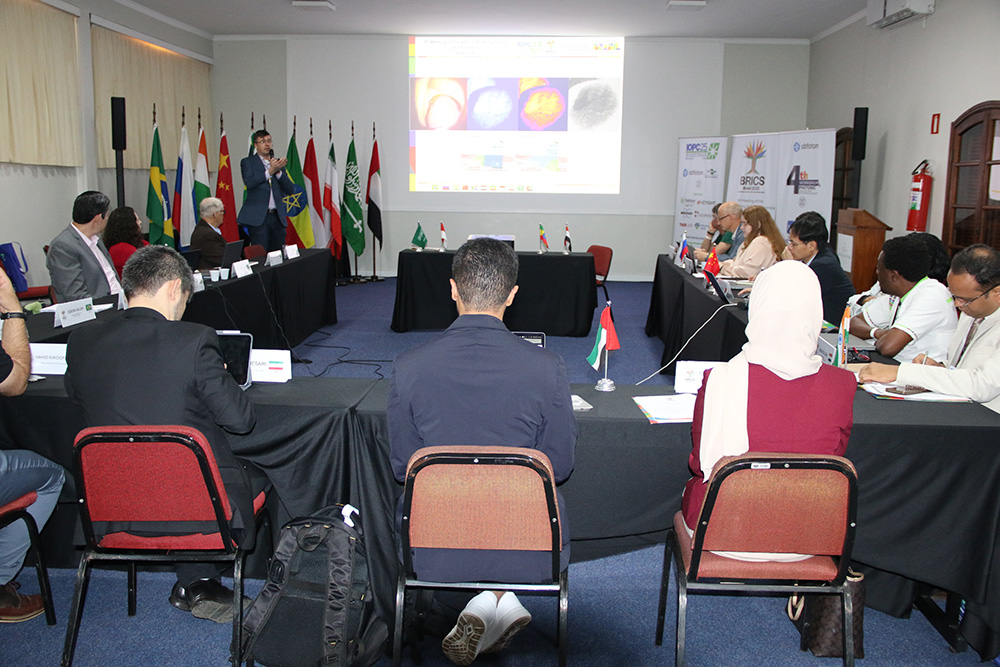
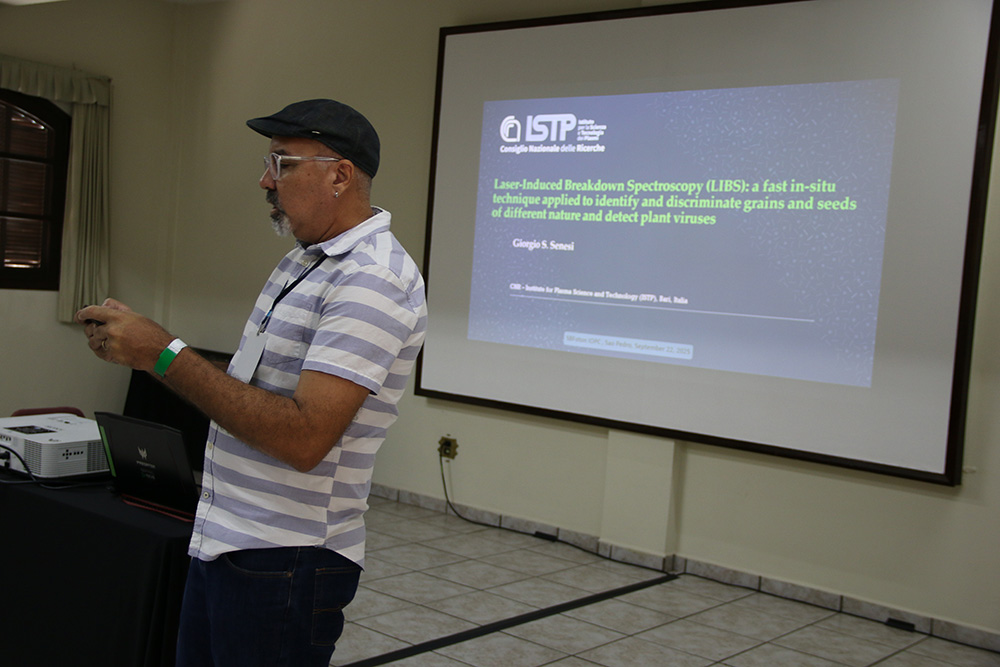
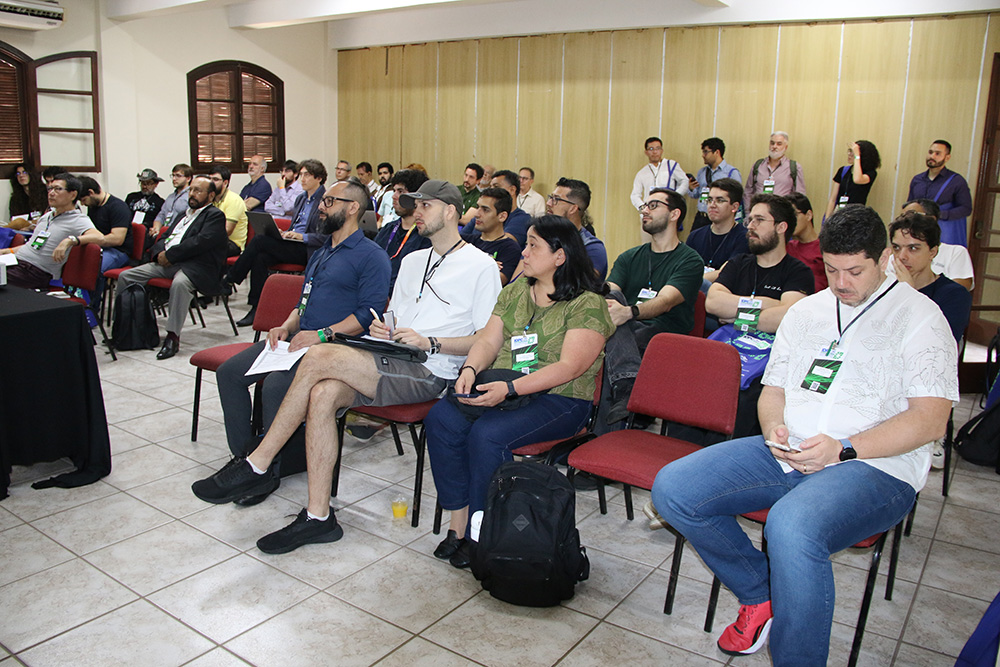
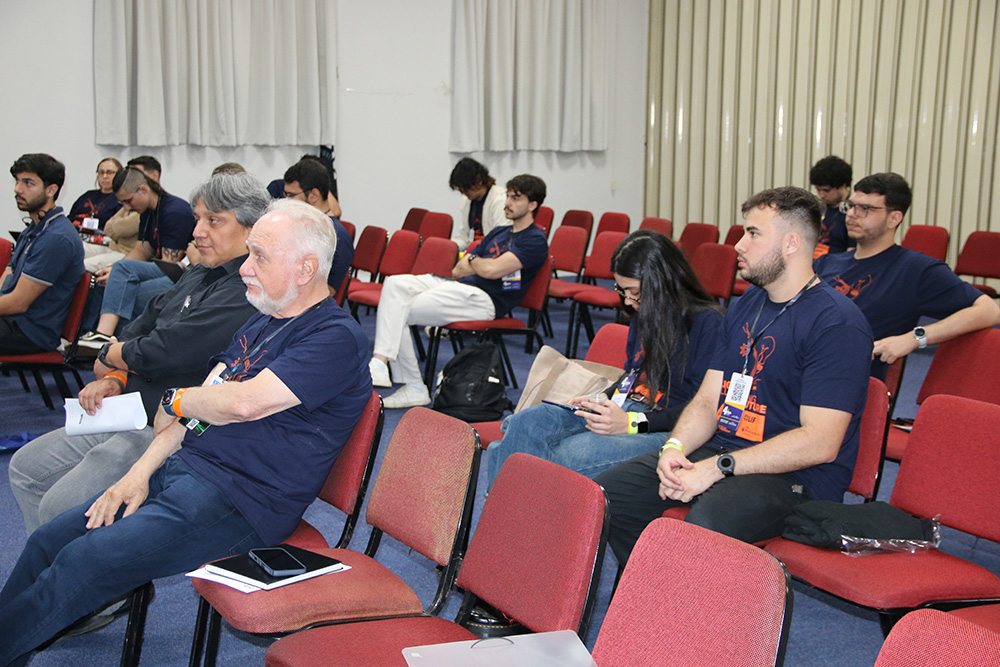
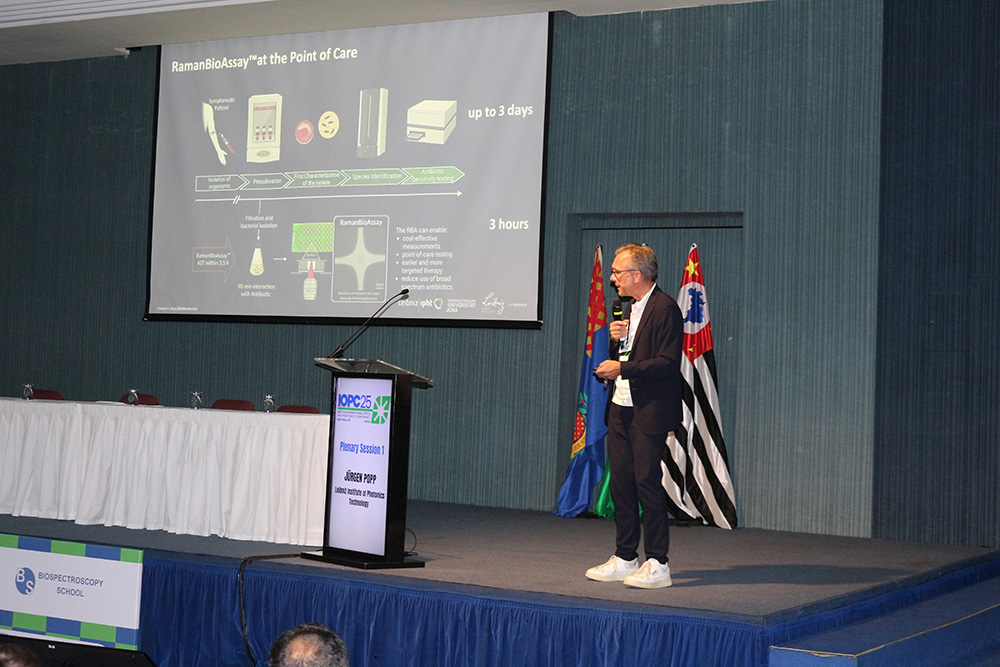
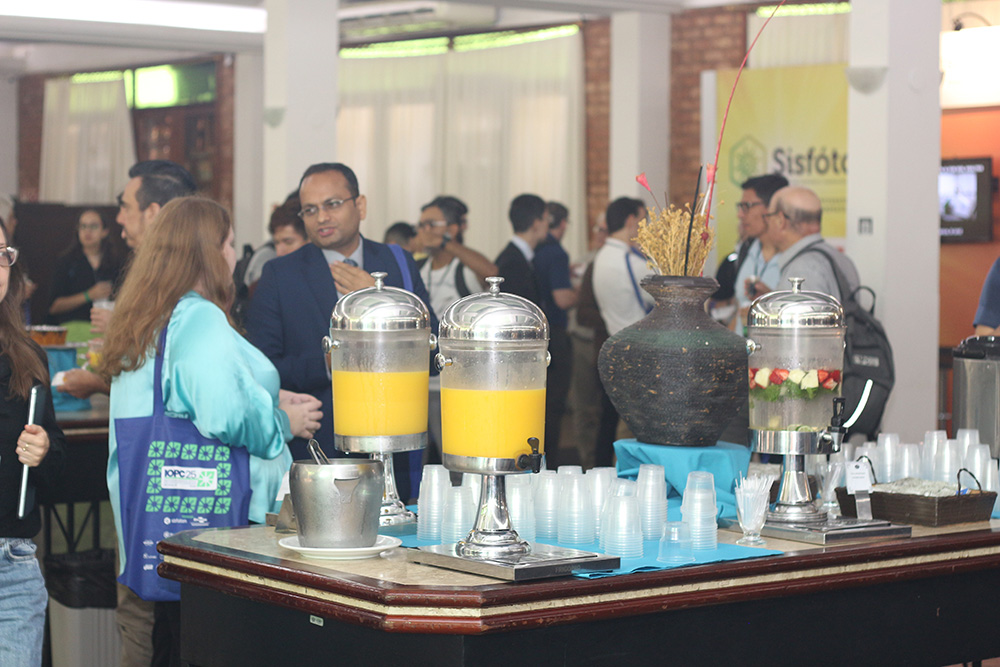
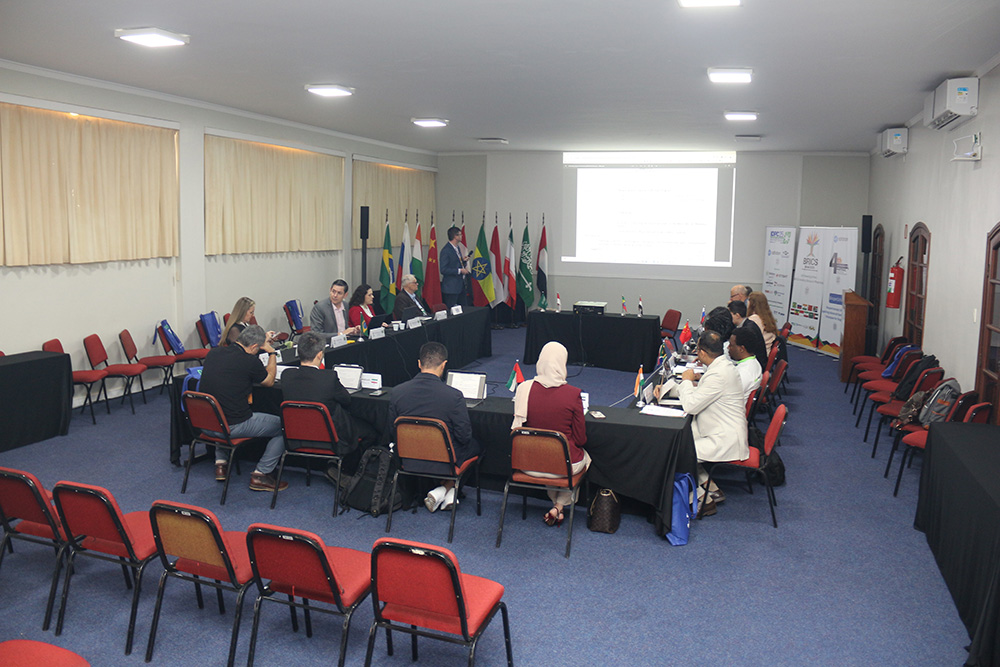
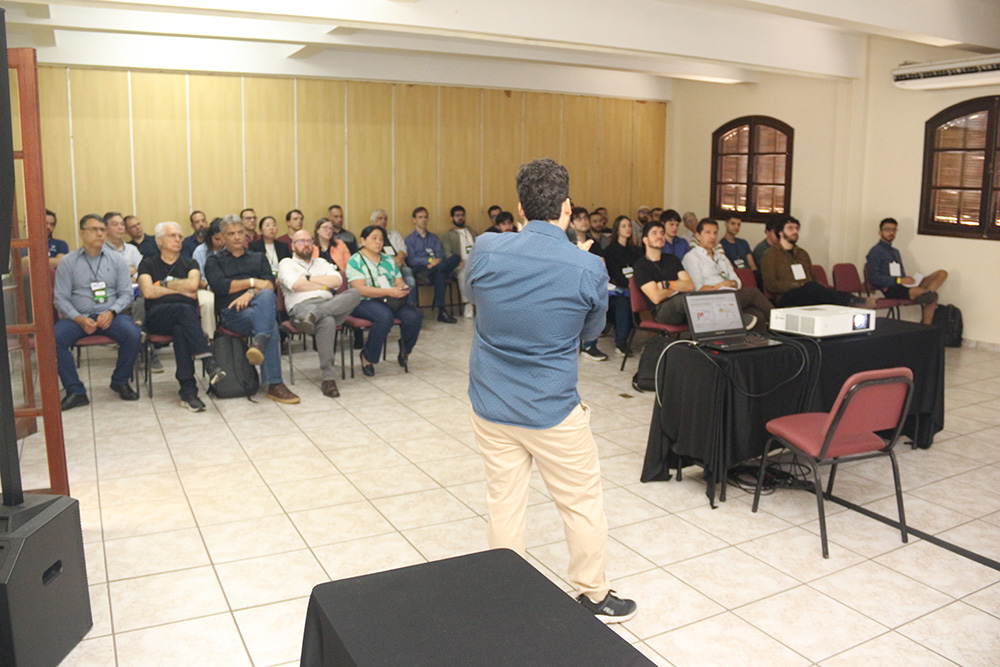
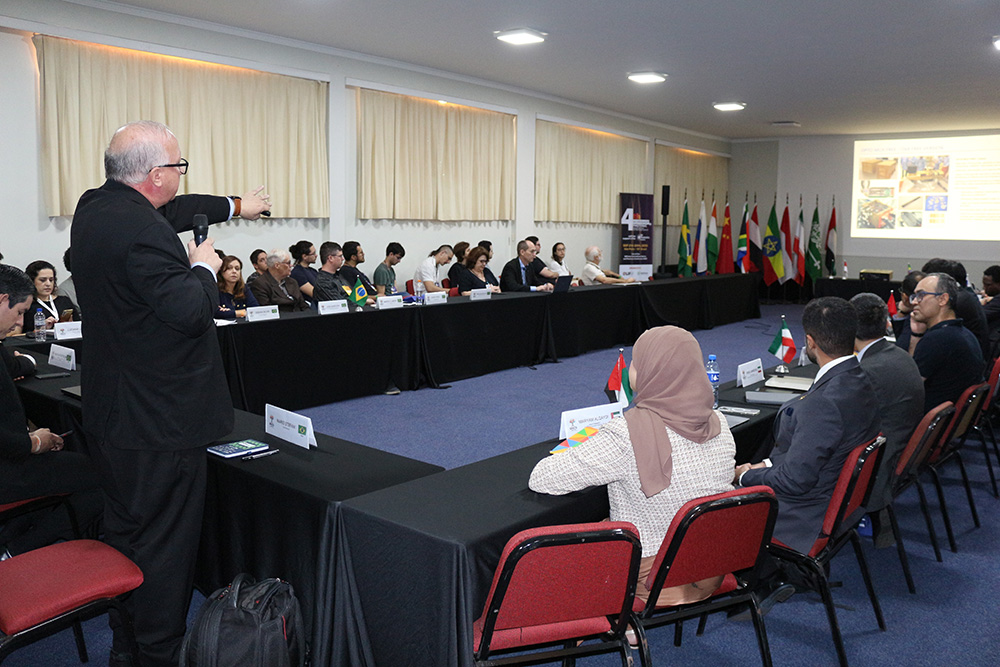
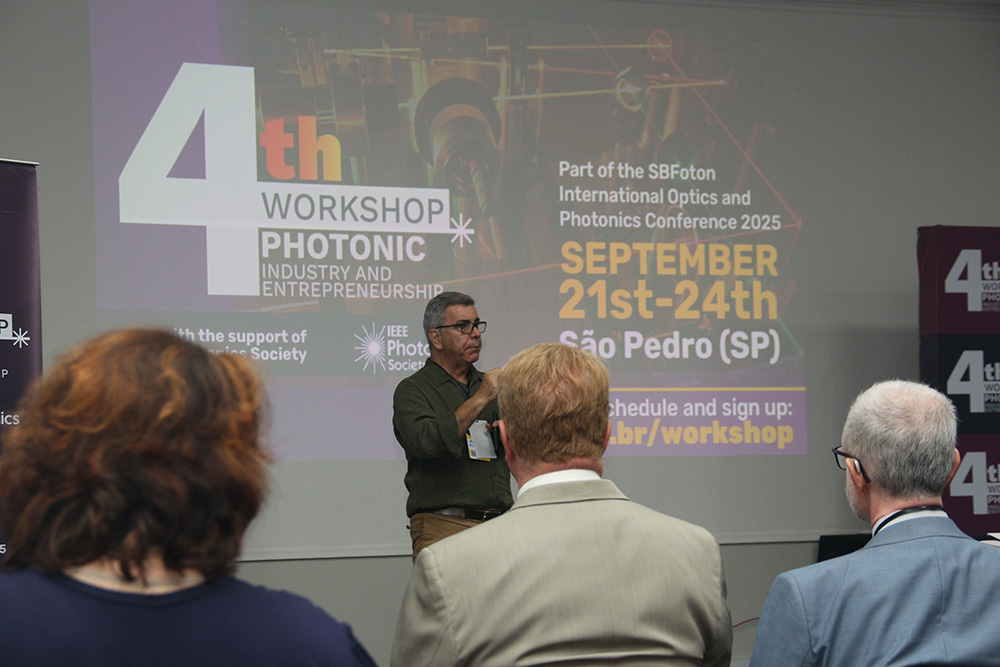
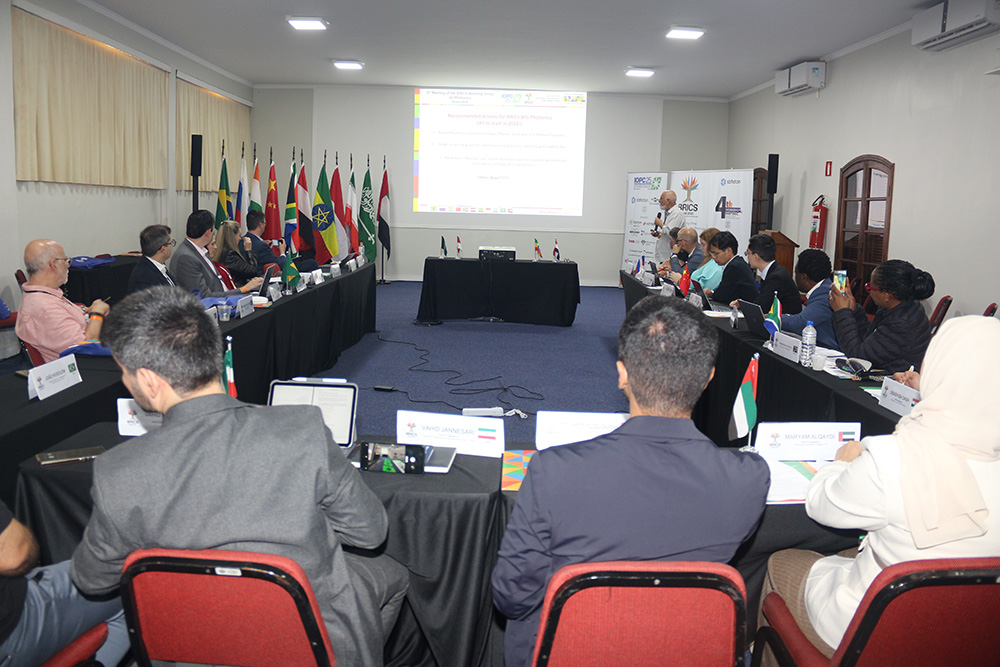
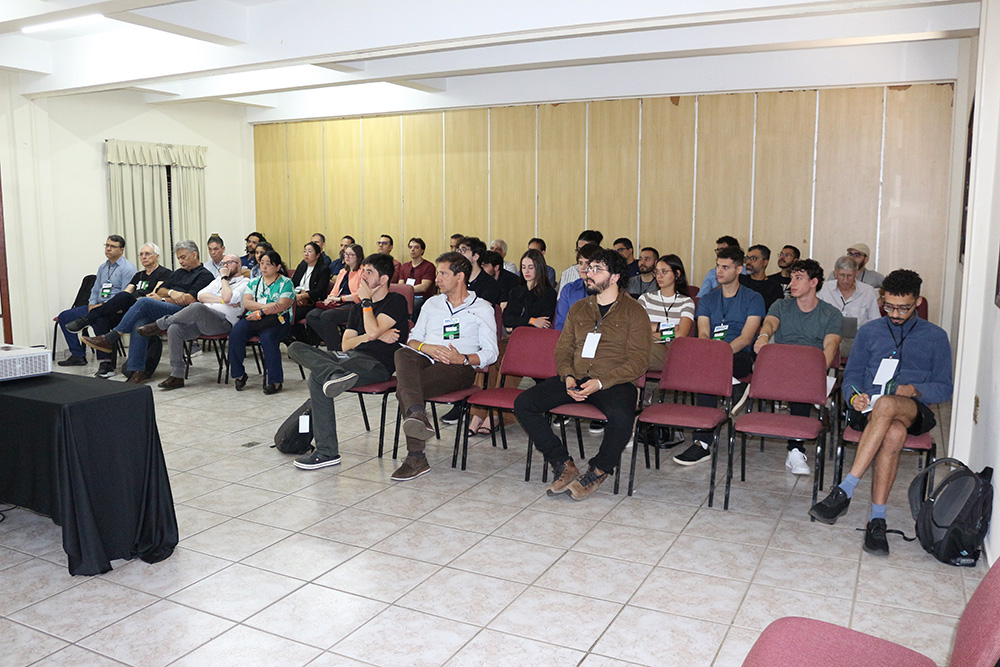
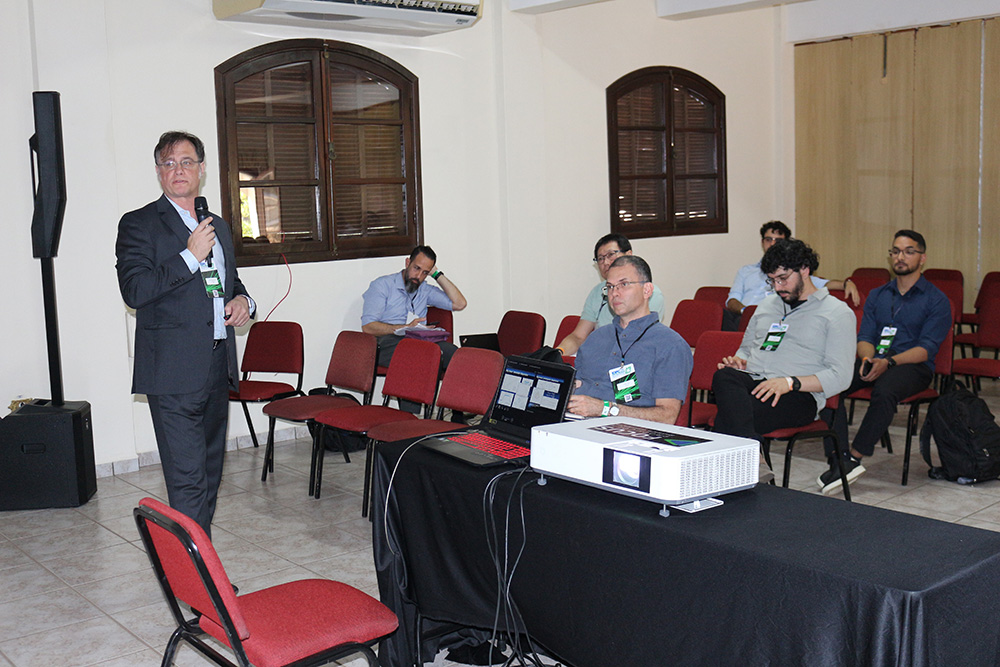
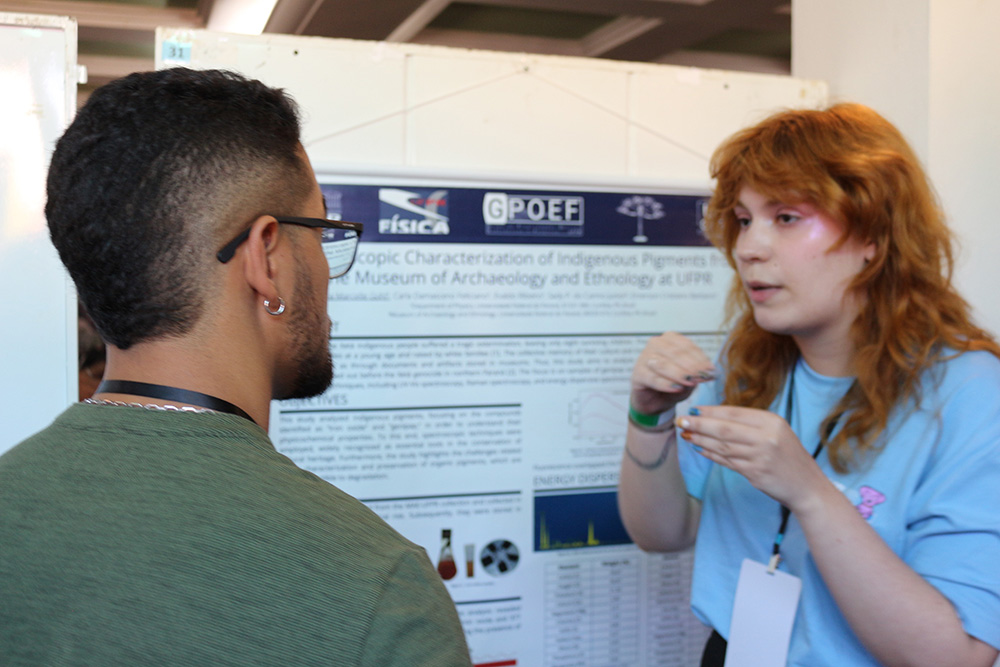
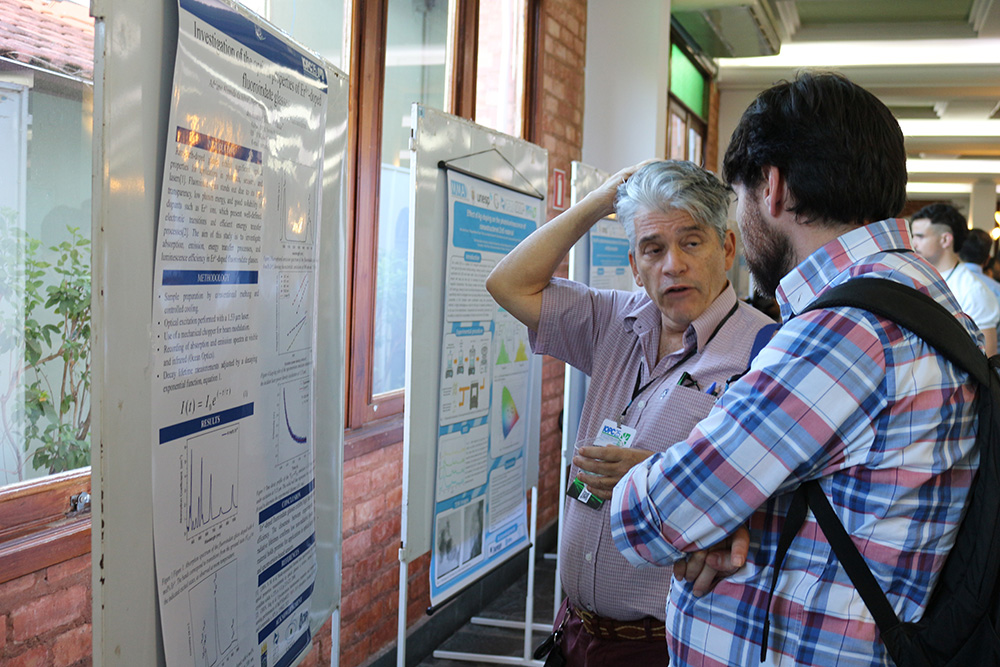
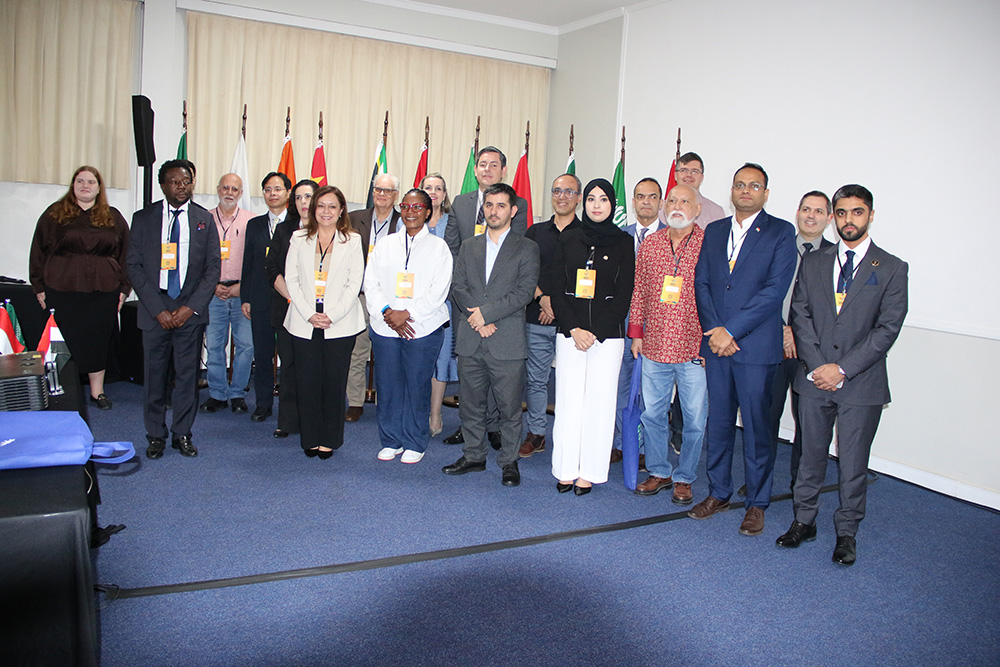
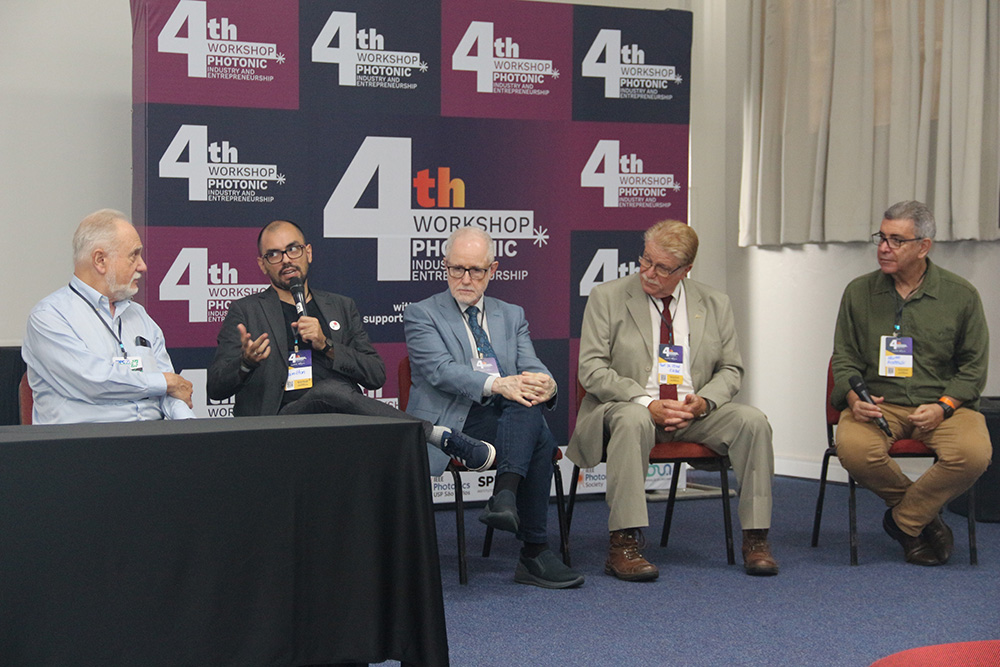
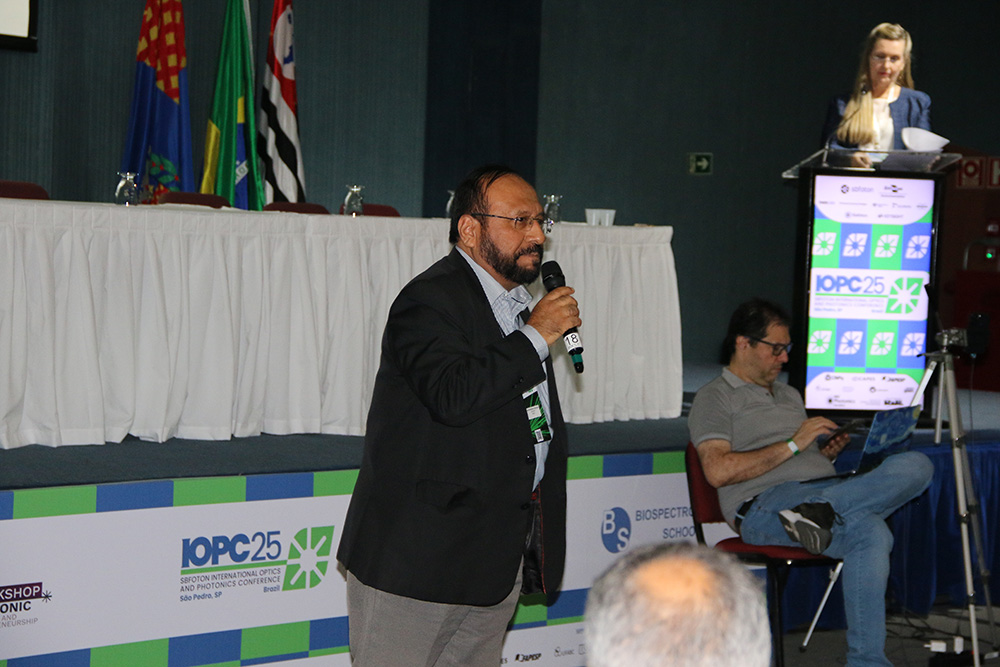
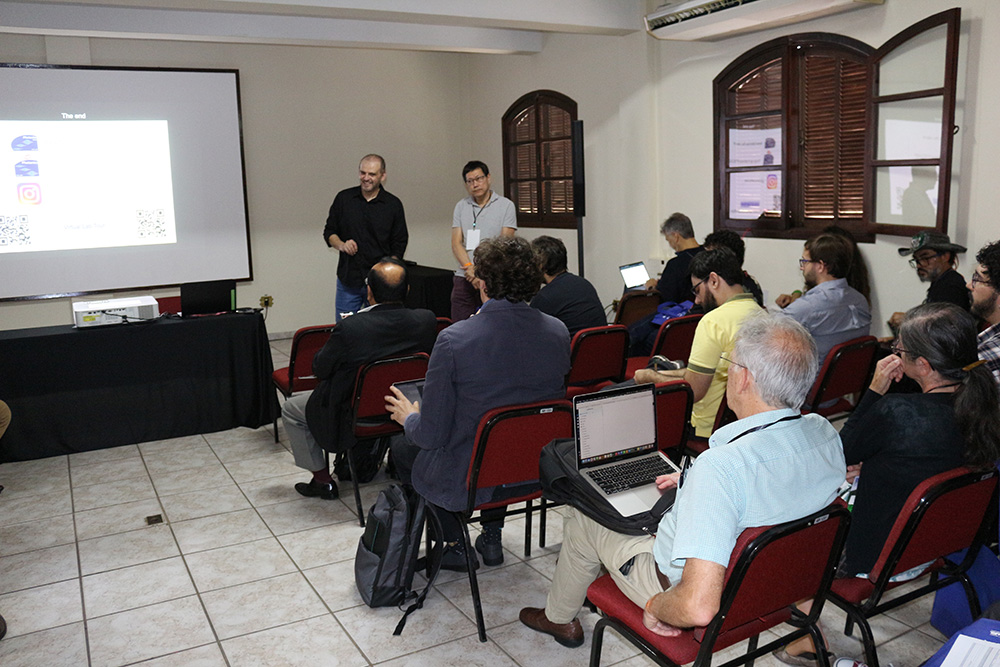
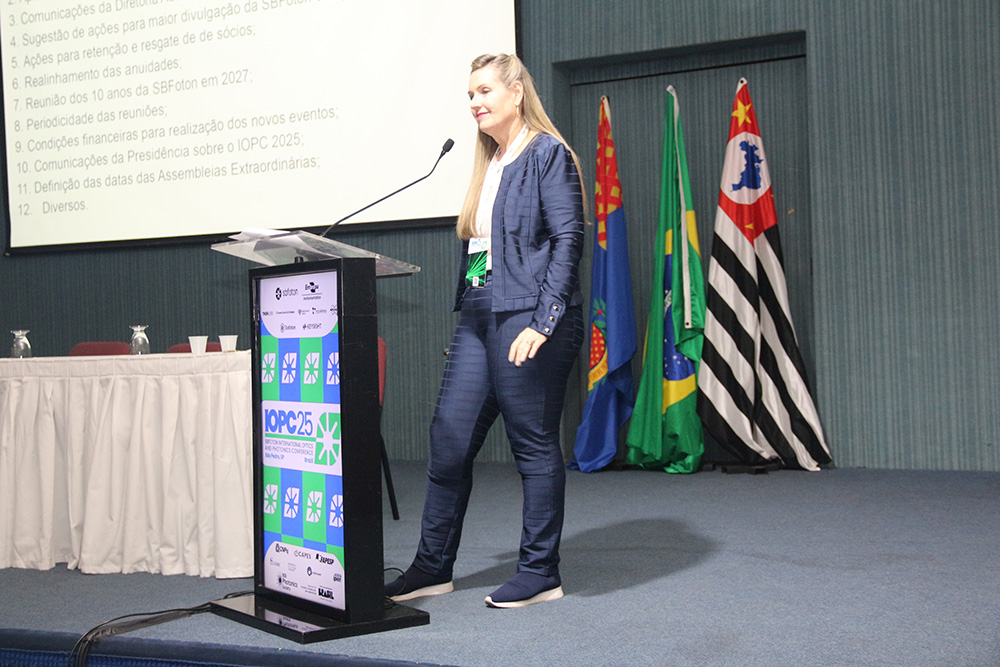
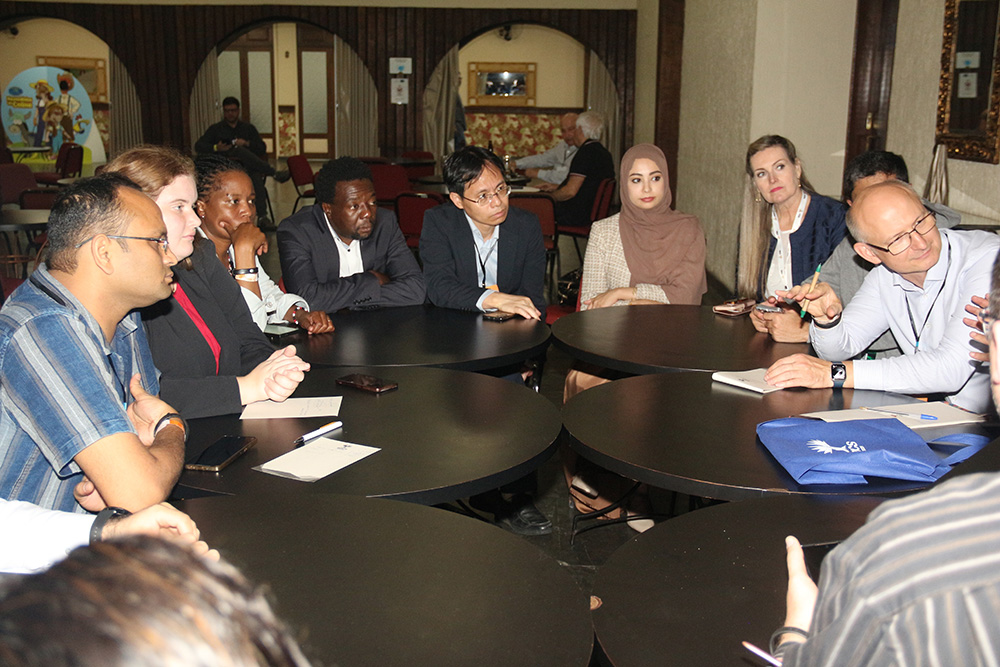
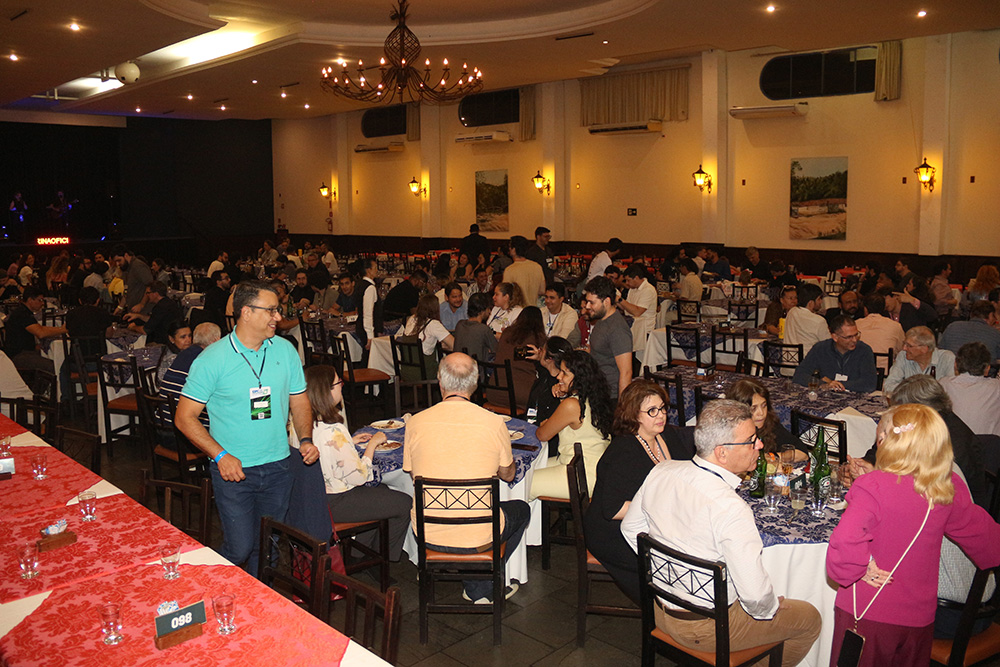
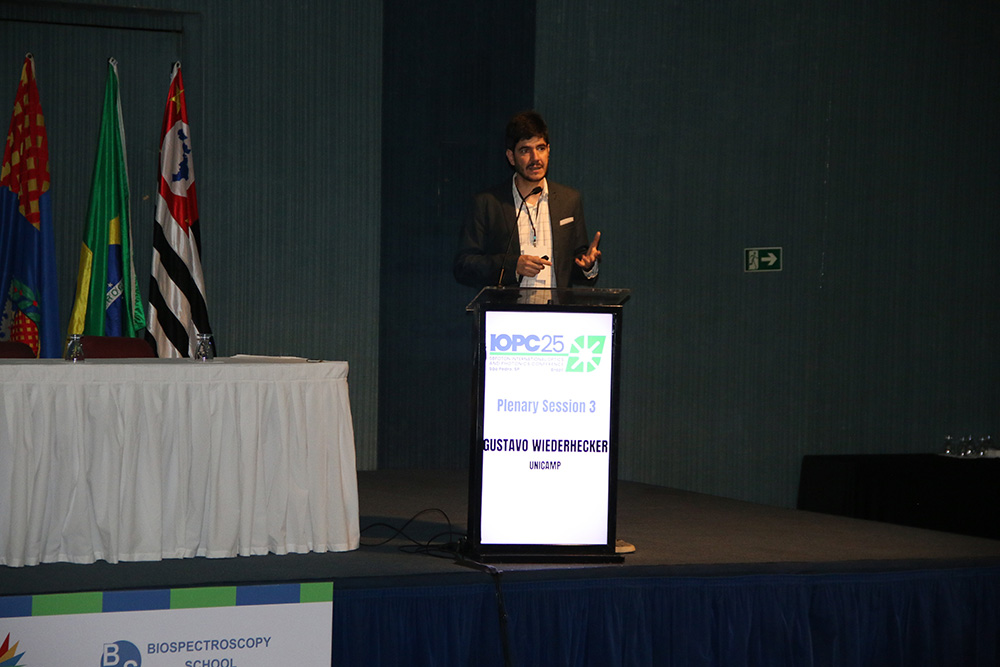
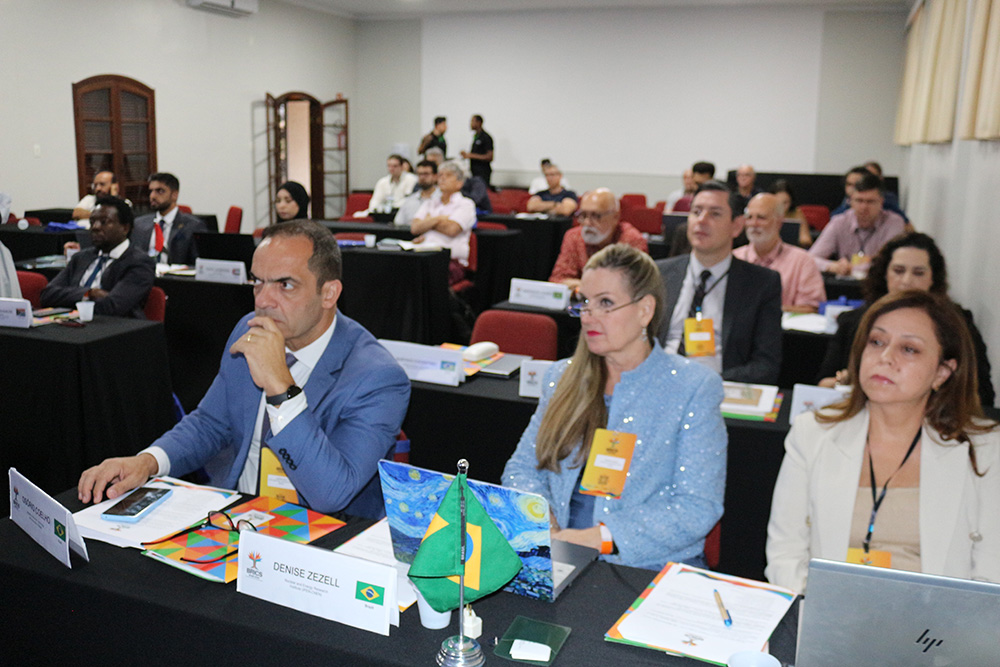
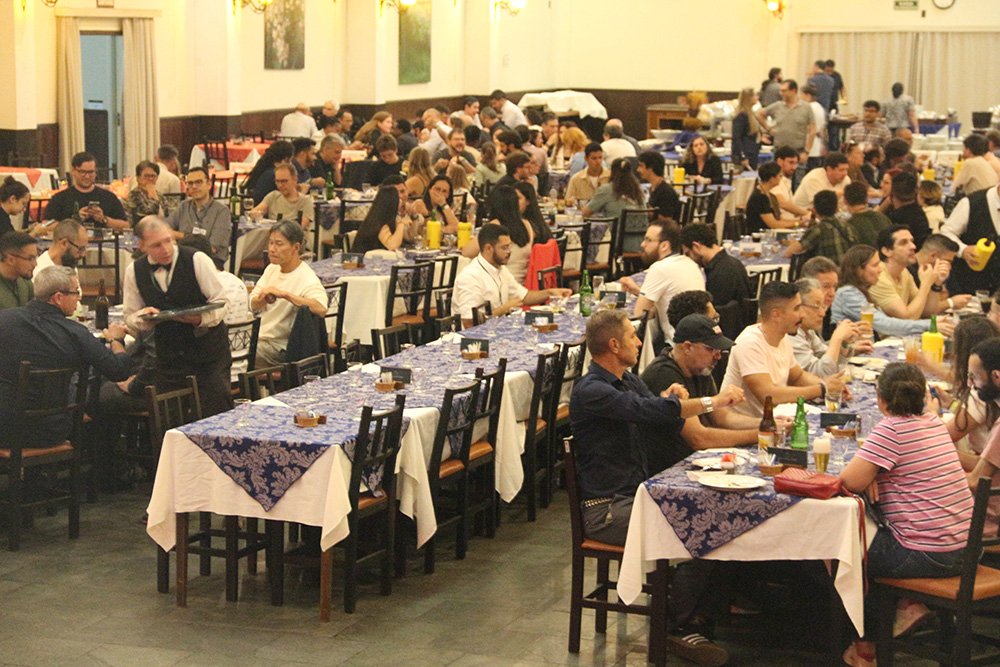
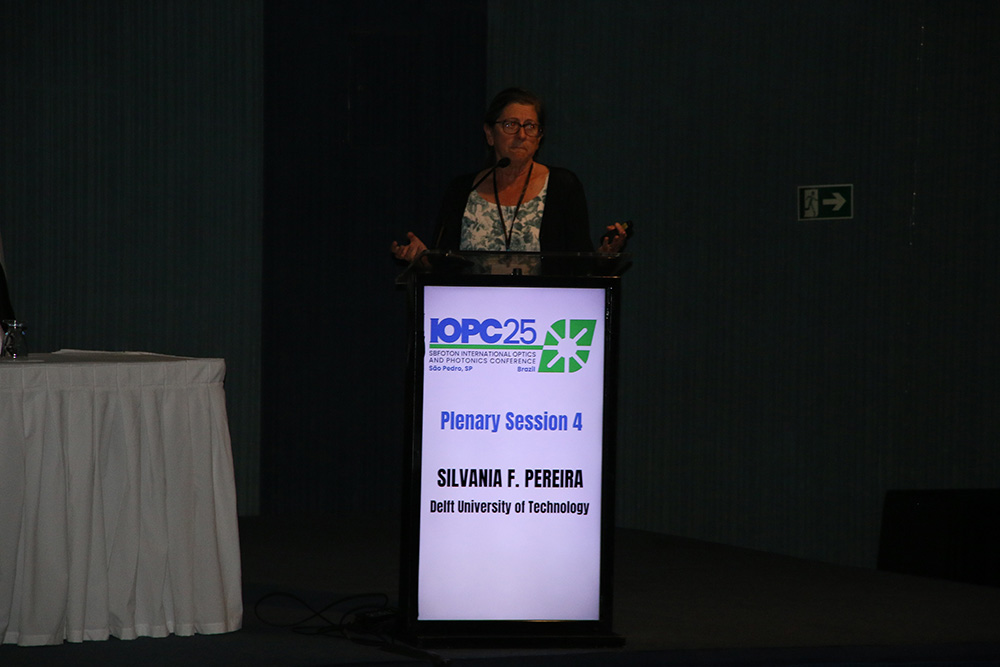
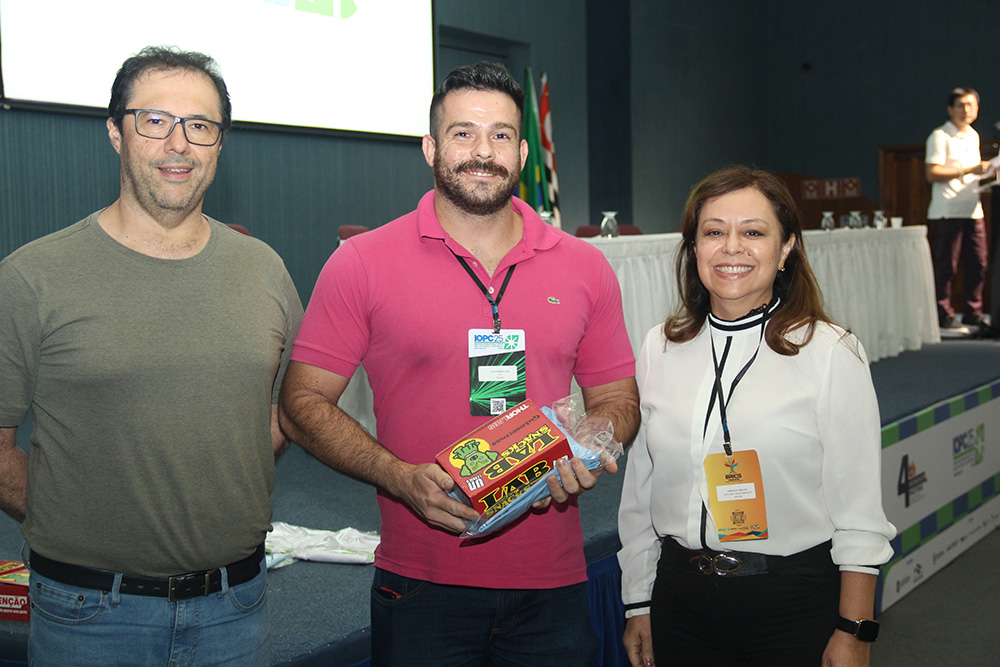
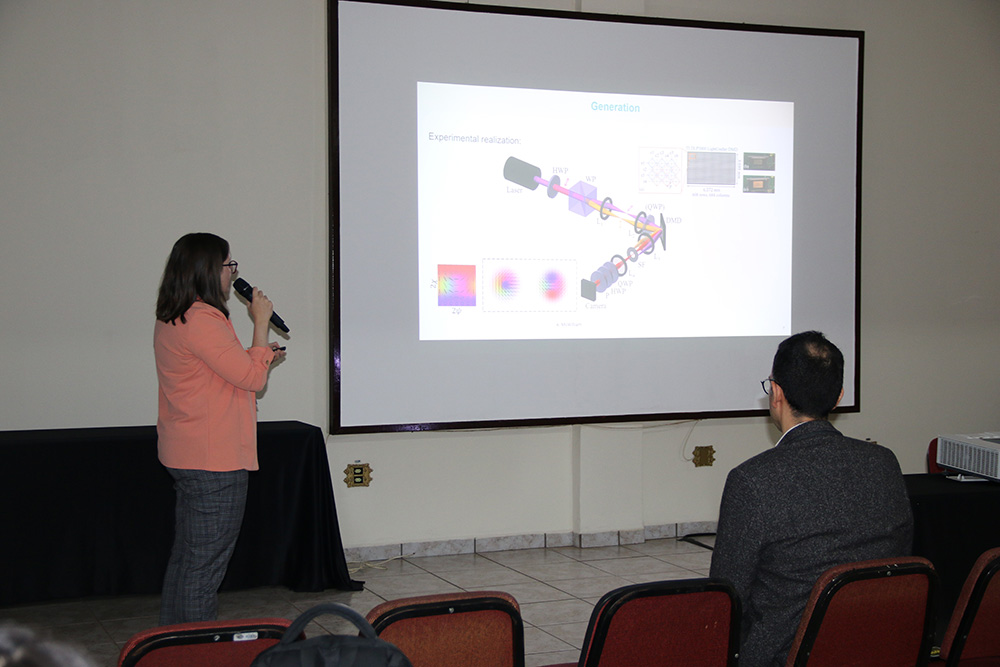
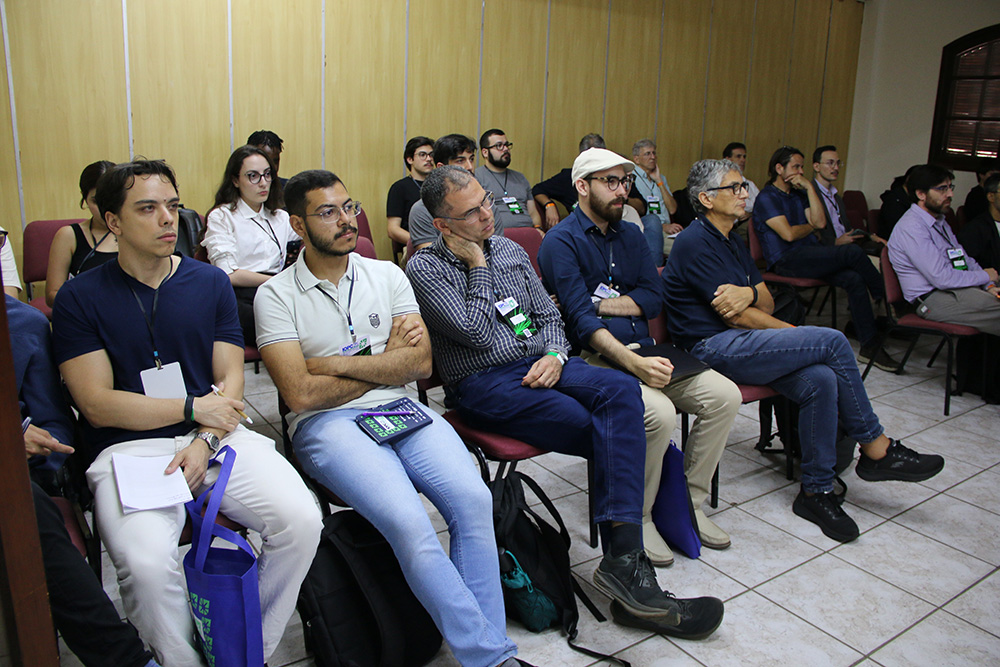
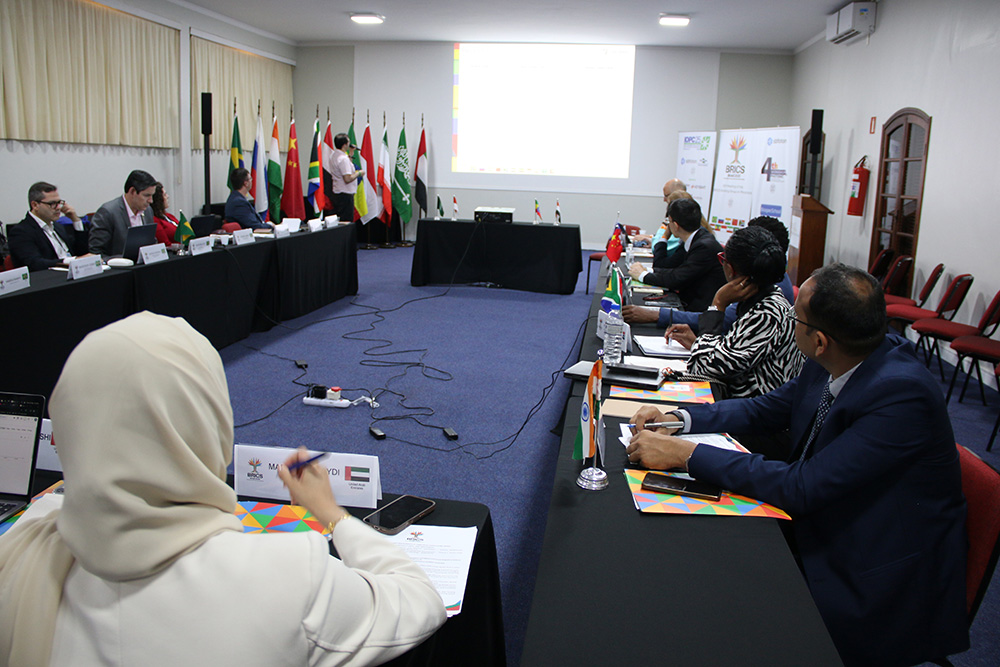
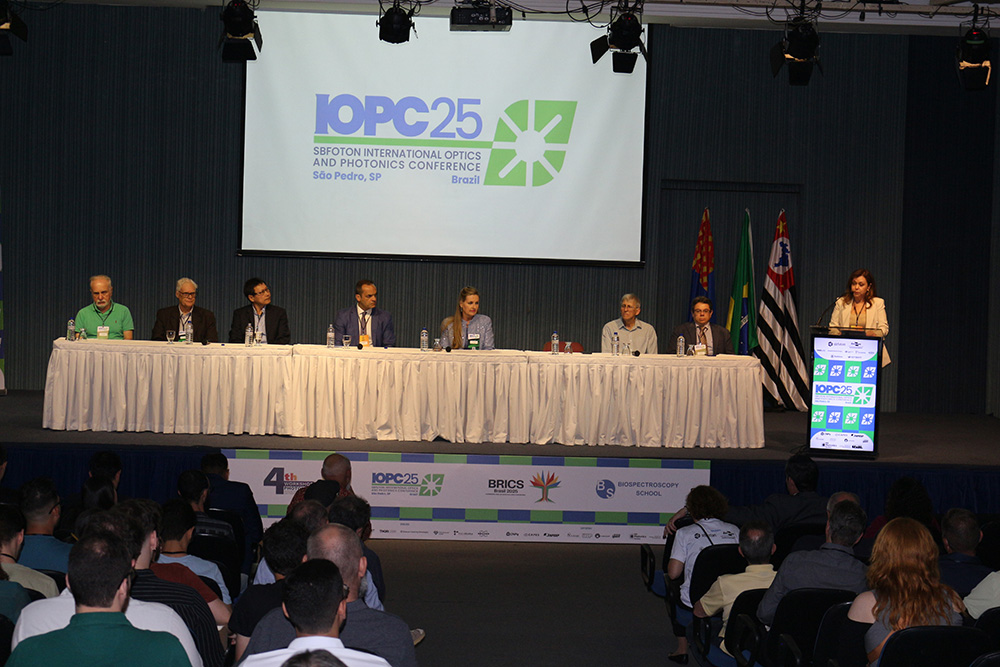
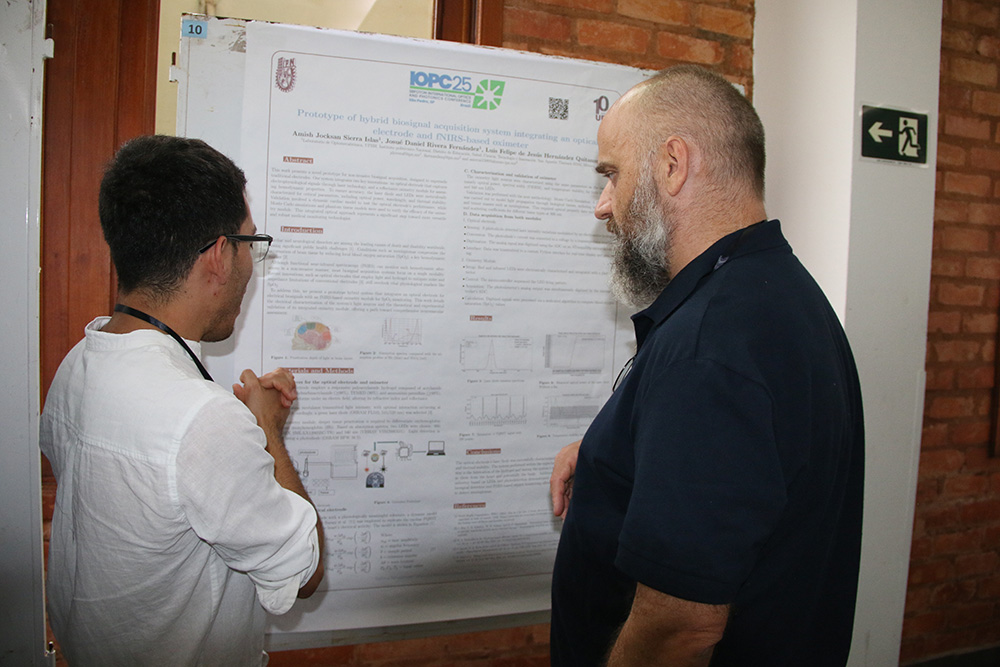
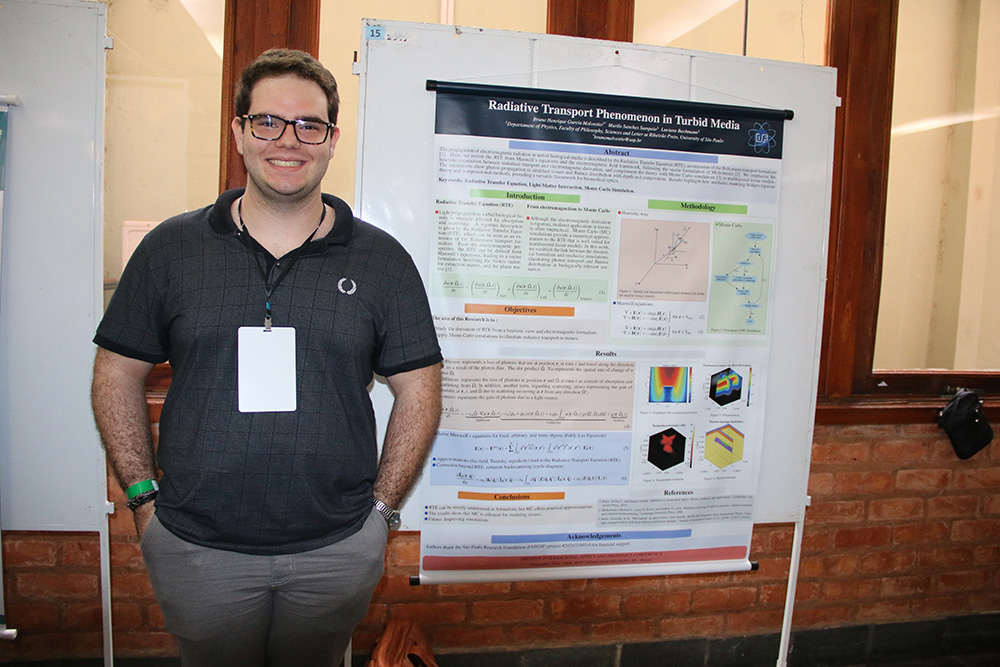
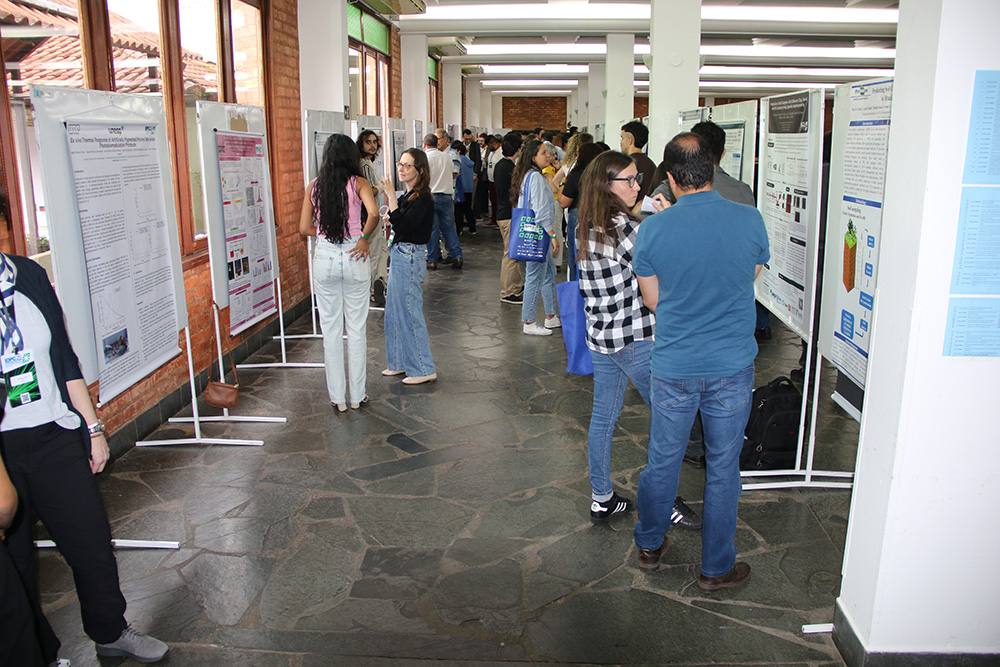
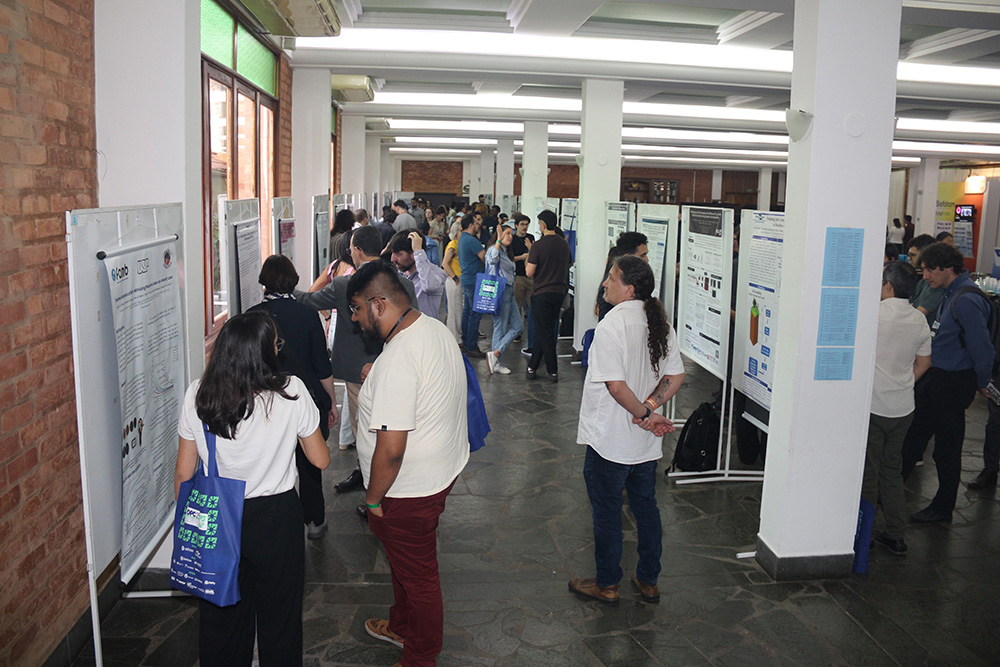
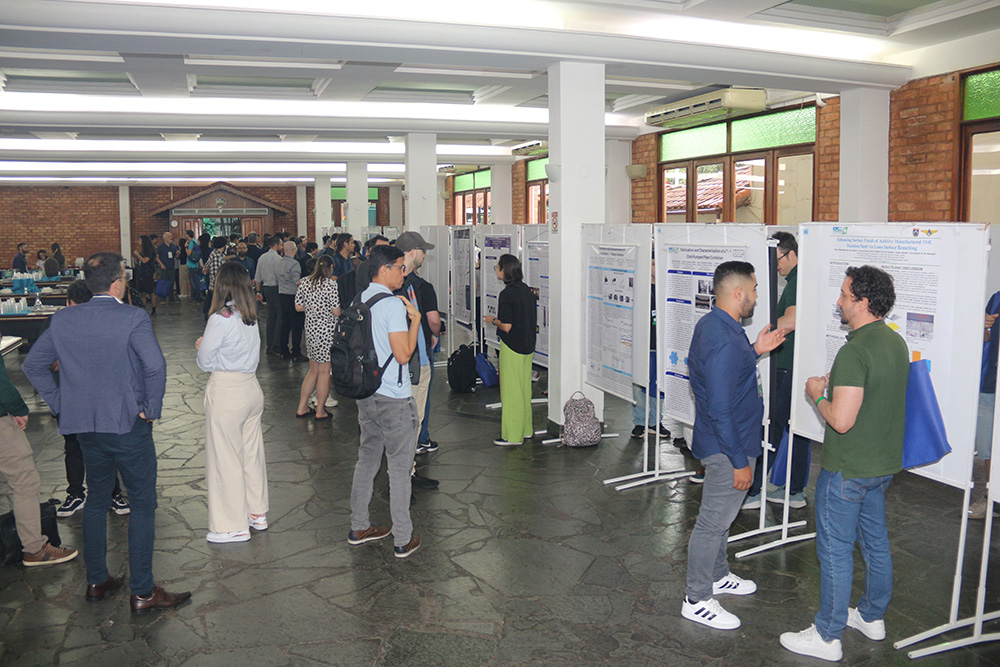
Highlights
Plenary Session 1
Prof. Jürgen Popp - Translational Clinical Biophotonics
Plenary Session 2
Dr. Daniel Renner - High power, Watt-class diode lasers
Plenary Session 3
Prof. Gustavo Wiederhecker - Integrated Photonics
Plenary Session 4
Prof. Silvania Pereira - Coherent Fourier Scatterometry
Plenary Session 6
Prof. Timur Labutin - Laser induced breakdown spectroscopy
Plenary Session 7
Prof. Paulo Monteiro - Optical Communications
Plenary Session 8
Prof. Luciana Kassab - Waveguides based on GeO2 and TeO2
INSTRUCTIONS FOR THE REVIEW MANUSCRIPT PREPARATION
Concerning the PDF Review Manuscript:
Concerning the Registration of the Paper on the EDAS System:
Acceptance will be communicated by 11th August, and final versions of accepted papers may be uploaded up to 1st September.
The final versions of accepted papers will be published in IEEE Xplore, provided that the authors complete the registration and present their work at SBFoton IOPC 2025.
If the authors do not wish to have their paper published in IEEE Xplore, they must refrain from signing the electronic copyright form.
INSTRUCTIONS FOR THE FINAL MANUSCRIPT PREPARATION
The final manuscript must be an IEEE PDF Express compatible file and uploaded to the EDAS platform. The EDAS checks whether the PDF is IEEE Xplore compliant and warns of possible compatibility problems.
The IEEE Xplore-compliant PDF must be generated in the IEEE PDF eXpress site for the SBFoton IOPC 2025. To use this facility, please follow the instructions below.
Posters dimensions must be 80 x 120 cm
1
BEFORE CREATING A PDF
Use the IEEE A4 format template for conferences and a 3-page limit (regular papers) or a 5-page limit (invited papers). Do not forget to include the authors’ names in the final manuscript file and consider the reviewers’ recommendations.
Avoid creating files without embedded fonts. Papers with missing embedded fonts will not be accepted as final manuscripts.
Add the copyright notice to the bottom of the first page of your source document (see the field indicated in the IEEE template). Then, proofread your source document thoroughly to confirm that it will require no revision.
2
CREATING YOUR PDF EXPRESS ACCOUNT
Log in to the IEEE PDF eXpress site
First-time users should do the following:
Previous users of PDF eXpress:
You must follow the above steps but provide the same email and password used for previous conferences. Verify that your contact information is valid. Please note that the IEEE PDF eXpress site is only a facility for creating or verifying PDF files. Therefore, after creating the PDF from the IEEE PDF eXpress site, the author needs to upload the PDF file via the EDAS Conference Management System.
3
UPLOADING YOUR PDF EXPRESS DOCUMENT
Sign the IEEE electronic copyright form (link provided at EDAS), indicate the paper presenter, and upload the final version of your paper up to 1st September at the EDAS Conference Management System following the above instructions.
The final versions of the accepted papers will be published at IEEE Xplore, conditioned on:
If you do not want your paper in IEEE Xplore, you must not upload the final manuscript and/or sign the copyright electronic form.
| Sunday, 21st September | ||
| 15:30 – 19:30 | PL | BRICS Session 1: Collaboration opportunities in Photonics and projects among BRICS countries |
| 19:00 – 19:30 | PR | Reception |
| 19:30 – 20:30 | PL | Opening Ceremony and Invited Talk – Vanderlei Salvador Bagnato (IFSC-USP): “From basic research with atoms and molecules to the applications of light in life sciences: the trajectory of CEPOF and its innovations” |
| 20:30 – 22:00 | PR | Cocktail |
| Monday, 22nd September | ||
| 8:30 – 9:15 | PL | Plenary Session 1 – Biophotonics – Jürgen Popp (Leibniz Institute of Photonics Technology – Alemanha) |
| 9:15 – 10:00 | Plenary Session 2 – Lasers – Daniel Renner (IEEE Photonics Society) | |
| 10:00 – 10:30 | PR | Coffee Break |
| 10:30 – 10:50 | PL | Biophotonics Session 1 – Invited Talk: Hugh J. Byrne – the FOCAS Research (Institute, TU Dublin – Irlanda) |
| ROOM 1 | Integrated Photonics and Optoelectronics Session 1 – Invited Talk: Integrated Photonics and Optoelectronics – Cleber Renato Mendonça (IFSC-USP) | |
| ROOM 2 | Agri-photonics and Sustainability Session 1 – Invited Talk: Giorgio Senesi (CRN – Italy) | |
| ROOM 3 | 4th Photonics Industry and Entrepreneurship Workshop | |
| ROOM 4 | BRICS Meeting | |
| 10:50 – 11:50 | PL AND ROOMS 1 2 3 | Oral Presentations |
| ROOM 4 | BRICS Meeting | |
| 11:50 – 13:30 | RESTAURANT | Lunch |
| 13:30 – 14:15 | PL | Plenary Session 3 – Photonics and Quantum technologies – Gustavo Wiederhecker (Unicamp) |
| 14:15 – 15:00 | Plenary Session 4 – Integrated photonics and Optoeletronics – Silvania F. Pereira (Delft University of Technology – Netherlands) | |
| 15:00 – 15:30 | PR | Coffee Break |
| 15:30 – 15:50 | PL | Optics and Instrumentation Session 1 – Invited Talk: Daniel Magalhães (IFSC-USP) |
| ROOM 1 | Lasers Session 1 – Invited Talk: Claire Cisowski (University of Glasgow, UK) | |
| ROOM 2 | Optical Communication Session 1 – Invited Talk: Paulo Sergio de Brito Andre (Instituto Técnico Lisboa – Portugal) | |
| ROOM 3 | 4th Photonics Industry and Entrepreneurship Workshop | |
| ROOM 4 | BRICS Meeting | |
| 15:50 – 16:35 | PL AND ROOMS 1 2 3 | Oral Presentations |
| ROOM 4 | BRICS Meeting | |
| 16:35 – 18:00 | PR | Poster Session |
| Tuesday, 23rd September | ||
| 8:30 – 9:15 | PL | Optical Communication – Paulo Monteiro (Universidade de Aveiro – Portugal) |
| 9:15 – 10:00 | Plenary Session 6 – Agri-photonics and Sustainability – Timur Labutin (Lomonosov Moscow State University) | |
| 10:00 – 10:30 | PR | Coffee Break |
| 10:30 – 10:50 | PL | Photonics and Quantum Technologies Session 1 – Invited Talk: Tiago Alegre |
| ROOM 1 | Biophotonics Session 2 – Invited Talk: Peter Gardner (Manchester University – UK ); Hilde Buzza (PUC-Chile) | |
| ROOM 2 | Sensors, Image and Illumination Session 1 – Invited Talk: Marcelo Nalim (Unesp) | |
| ROOM 3 | 4th Photonics Industry and Entrepreneurship Workshop | |
| ROOM 4 | BRICS Meeting | |
| 10:50 – 11:55 | PL AND ROOMS 1 2 3 | Oral Presentations |
| ROOM 4 | BRICS Meeting | |
| 11:55 – 13:30 | RESTAURANT | Lunch |
| 13:30 – 14:00 | PL | Laboratório Integrador do Sisfoton – Rafael Figueiredo (CPQD) |
| 14:00 – 14:30 | Keysight | |
| 14:30 – 14:50 | PL | Optical Communication Session 2 – Invited Talk: Braian Pinheiro da Silva (Comunicação Quântica do SENAI-CIMATEC) |
| ROOM 1 | Lasers Session 2 – Invited Talk: | |
| ROOM 2 | Integrated Photonics and Optoelectronics Session 2 – Invited Talk: Evandro Conforti (Unicamp) | |
| ROOM 3 | 4th Photonics Industry and Entrepreneurship Workshop | |
| ROOM 4 | BRICS Meeting | |
| 14:50 – 15:35 | PL AND ROOMS 1 2 3 | Oral Presentations |
| ROOM 4 | BRICS Meeting | |
| 15:35 – 16:00 | PR | Coffee Break |
| 16:00 – 17:30 | Poster Session | |
| 17:30 – 19:30 | PL | SBFoton Assembly |
| 20:30 – 22:30 | RESTAURANT | Conference Dinner |
| Wednesday, 24th September | ||
| 8:30 – 9:15 | PL | Plenary Session 7 – Optics and Instrumentation – Ivair Gontijo (NASA-USA) |
| 9:15 – 10:00 | Plenary Session 8 – Sensors, Image and Illumination- Luciana R. P. Kassab (Faculdade de Tecnologia de São Paulo – Brasil) | |
| 10:00 – 10:30 | PR | Coffee Break |
| 10:30 – 10:50 | PL | Agri-photonics and Sustainability Session 2 – Invited Talk: Anderson Caires – UFMS/Brazil |
| ROOM 1 | Optics and Instrumentation Session 2 – Invited Talk: Miguel Venegas – Molecular Vista Inc (USA) | |
| ROOM 2 | Photonics and Quantum Technologies Session 1 – Invited Talk: Celso Villas Boas – UFSCAR | |
| ROOM 3 | 4th Photonics Industry and Entrepreneurship Workshop | |
| ROOM 4 | BRICS Meeting | |
| 10:50 – 11:50 | PL AND ROOMS 1 2 3 | Oral Presentations |
| ROOM 4 | BRICS Meeting | |
| 11:50 – 13:30 | RESTAURANT | Lunch |
| 13:30 – 13:50 | PL | Sensors, Image and Illumination Session 2 – Invited Talk: Marcelo Segatto (UFES) |
| ROOM 1 | Biophotonics Session 3 – Invited Talk: Kassio Lima (UFRN) | |
| ROOM 2 | Lasers Session 2 – Invited Talk: Nilson Dias – IPEN | |
| ROOM 3 | 4th Photonics Industry and Entrepreneurship Workshop | |
| ROOM 4 | BRICS Meeting | |
| 13:50 – 15:05 | PL AND ROOMS 1 2 3 | Oral Presentations |
| ROOM 4 | BRICS Meeting | |
| 15:05 – 16:00 | PR | Coffee Break |
| 16:00 – 17:00 | PR | Student Prize Announcement and Closing Session |
Hotel Fazenda Fonte Colina Verde
Rua Veríssimo Prado, 1500 - Centro
São Pedro / SP
With 44 years of tradition, Hotel Fonte Colina Verde is perfect for those looking for an attractive program for the whole family. With a 200,000 m² structure and more than 153 apartments, we offer differentiated service, typical country cuisine, a passionate farm atmosphere, and lots of fun for all ages.
Reservations
✉ reservas@hotelcolinaverde.com.br
☏ +55 (19) 3481 9999
✆ +55 (19) 98238 0380
Reservation e-mails: reservas@hotelcolinaverde.com.br and comercial@hotelcolinaverde.com.br
Room reservations at Colina Verde Hotel, the official venue of IOPC 2025, will only be considered confirmed upon receipt of a deposit equivalent to 30% of the total accommodation cost. This advance payment is mandatory and serves to secure the booking.
Rooms PER PERSON/DAY (lunch, dinner and breakfast included)
Single Room: R$ 700,00
Double Room: R$ 490,00
Triple, quadruple and quintuple Rooms for Students: R$ 350,00 (two bedrooms apartment)
Rooms PER PERSON/DAY (only breakfast included)
Single Room: R$ 490,00
Double Room: R$ 343,00
Triple, quadruple and quintuple Rooms for Students: R$ 245,00 (two bedrooms apartment)
City of São Pedro - SP
São Pedro is a small town in the center of the state of São Paulo. Traditionally known for its natural beauty, the quality of life is the main characteristic of the tourist resort of São Pedro. Located in the interior of São Paulo, the town of just over 38,000 people rests on the slopes of the Serra do Itaqueri mountain range. From afar, it resembles a Neapolitan crib, with its houses among trees, plantations, pastures, and two ancient towers, topped by a cross, marking the grandfatherly faith the settlers brought in the mid-19th century. In the middle of that century, many Italians left their hometown searching for good quality land with plenty of water. They wanted to set up farms and cultivate sugar cane and coffee on a large scale.
At the same time as offering a diversified hotel network for those seeking rest and tranquility, it is visited by thousands of adventurers who enjoy abseiling, jeep trails, hang-gliding and paragliding, hot air ballooning, off-roading, and waterfall bathing.
In addition to the Free Flight Ramp, the resort is known for one of its most beautiful postcards, the Parque do Cristo Aureliano Esteves, where tourists can enjoy the view from above and, on clear days, see neighboring municipalities such as Piracicaba and Rio Claro.
On Boulevard Dona Hermelinda there is an arts and crafts fair on the best local produce. As for the Producer’s Fair, in the Santa Cruz neighborhood on Saturday morning rural people sell vegetables, cheeses, and handmade sweets – and there’s also viola music.
Also in the urban area, you can go for a walk and practice some physical exercise in the Maria Angélica Manfrinato Park. In addition to the pleasant climate produced by various species of trees, there is a beautiful lake, kiosks, a mineral water fountain, a playground for children, and the store of the São Pedro Artisans Association, Art’s Trama.
In addition to the attractions in the city of São Pedro, there are many tourist attractions in nearby towns such as Águas de São Pedro and Brotas, which represent the countryside of São Paulo State.
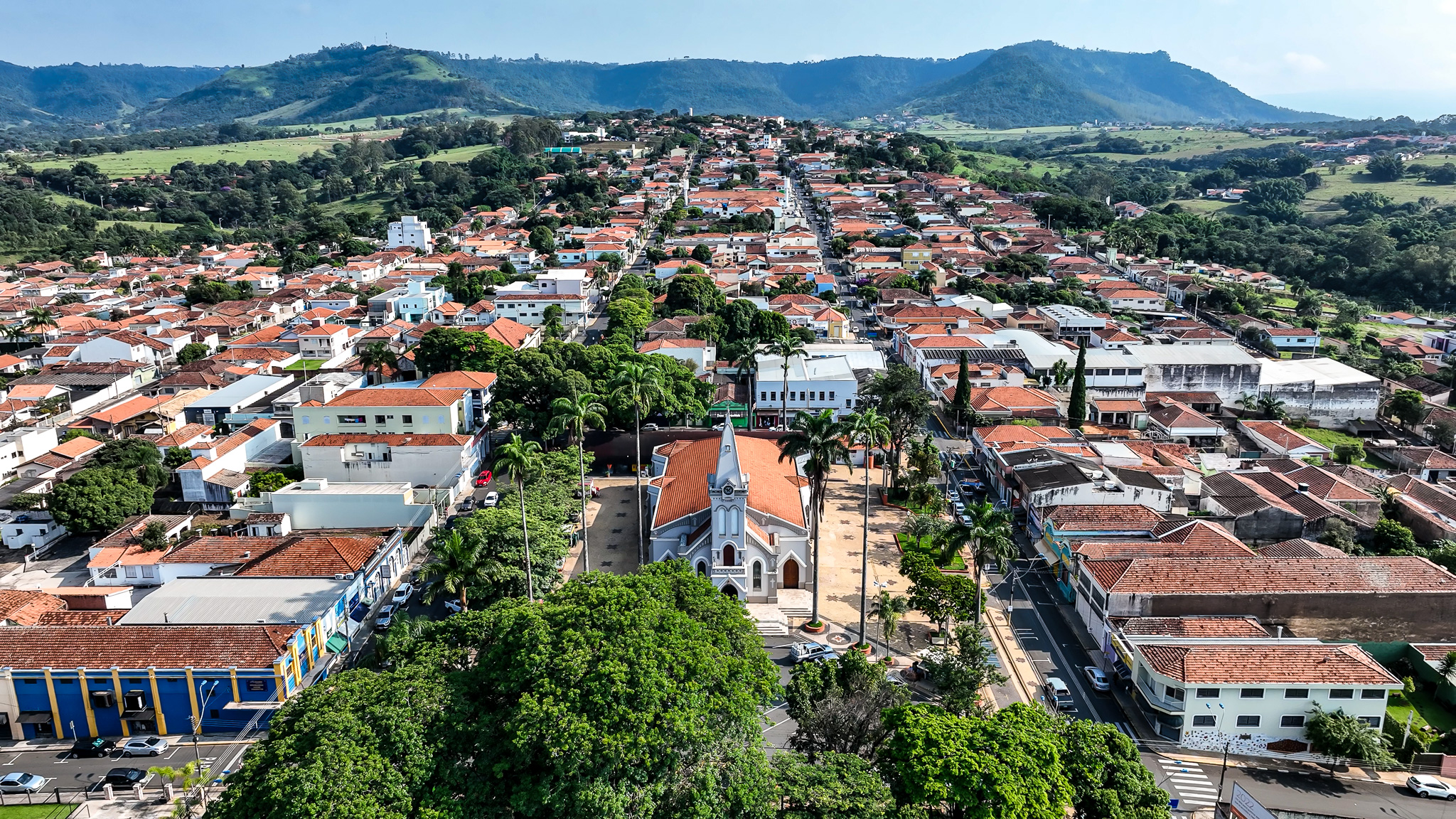
Nearby cities
Brotas is known nationally as the Capital of Adventure, and no wonder. The city is set in a scenery of fun and nature in the interior of São Paulo. This means that it is close to major cities such as São Paulo, Campinas, Jundiaí, Ribeirão Preto, São Carlos, and Bauru. The town offers a range of extreme activities, such as rafting, boating, canyoning, zip-lining, tree climbing, cycle touring, hot-air ballooning, and much more!
However, Brotas is not just an extreme destination. Accessible to people of different ages and tastes, the city offers a variety of routes and packages. There are more than 80 gastronomic options and various tourist attractions in nature. Here, there is an option for every moment, whether you want to enjoy a weekend with the family, relax, experiment with flavors, or go on an adventure.
Brotas is a Tourist Resort, a title granted in 2014 by the São Paulo State Government. The city presents several tourist attractions, including waterfalls, parks, eco parks, and cultural attractions; waterfalls like Cachoeira 3 Quedas, Cachoeira Saltão, and Cachoeira do Astor.
Parks such as Brotas Parks Parque Jacaré, Recanto das Cachoeiras, Parque dos Saltos, Ecoparks such as Ecoparque Cassorova. and some cultural attractions like Karleen Renwick Art Gallery, Mother Church, and Largo da Santa Cruz.
Activities in the region: canoeing, walking on the singing sand, rafting, zip-lining, visiting specialized museums, seeing nature and wildlife, and visiting churches and cathedrals.
You can also visit the Casa da Cachaça, to taste and buy artisanal cachaças produced in the region.
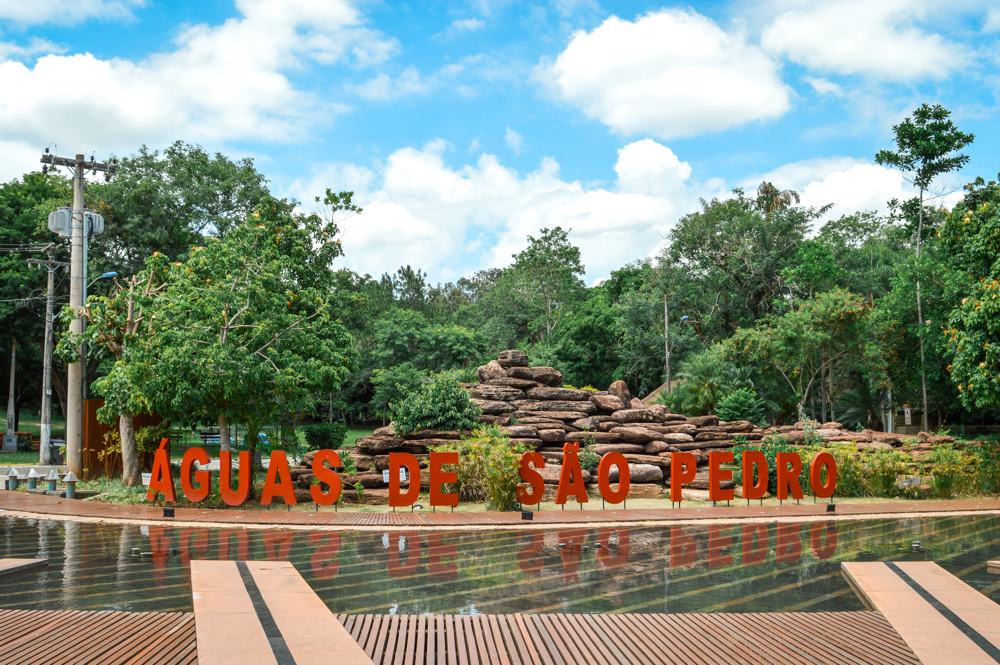
Known for Its Medicinal Waters, This City Is an Excellent Option for Those Looking to Relax. Águas de São Pedro is Brazil’s smallest municipality, covering only 3.6 km², making it the perfect escape from the hustle and bustle of the big city. While adults enjoy some peace, children—who usually prefer more action—can have fun in the city’s charming squares, the water park pools, and even on themed train rides.
With its charm, tranquility, coziness, and warm hospitality, Águas de São Pedro is the perfect place to visit with family on weekends or during the July vacation season.
This destination is ideal for relaxation, good food, and enjoying all the benefits of the medicinal waters. To help you make the most of your trip, we’ve gathered some must-see attractions in the city.
Águas de São Pedro is considered one of the best cities to live in within the state of São Paulo. It was specifically built as a place for healing, leisure, and a high quality of life. The city shares its borders only with São Pedro and has no industries or rural areas—its economy is entirely focused on tourism.
The city was uniquely designed to preserve its miraculous waters. When Águas de São Pedro was founded, a grand hotel was inaugurated as a landmark, solidifying the city’s status as a hydro-mineral retreat for healing and relaxation. Today, the city boasts a wide variety of shops, bars, restaurants, accommodations, and attractions to welcome visitors in the best way possible. This town has a typical countryside climate— drier and mild temperatures in winter, and the summer rainy and hot. This town is very popular on weekends, holidays, and during school vacations.
The Main Tourist attractions are the Spa Thermal, Dr. Otávio Moura Andrade Square, the Municipal Fountain, and the Águas de São Pedro Staircase. You can also explore the city on the themed train ride, Biking Trails with Guide Bikers, the Almeida Salles Fountain, the Thermas Water Park, the Lady of Aparecida Chapel, and the Municipal Garden.
Beyond its medicinal waters, Águas de São Pedro also has a hidden treasure: its gastronomy. The city is home to top-quality restaurants, bars, wineries, bistros, cafés, and more, offering delicious food and exceptional service. Some recommended spots are Lá do Divino, Restaurante do Lago, and Villa Tardivelli.
How to Get to São Pedro?
São Pedro City is 190 km from São Paulo, 100 km from Campinas, and 30 km from Piracicaba. São Pedro is easily accessible by car. From the capital of São Paulo, take the Rodovia dos Bandeirantes to Santa Bárbara d’Oeste. Then, in the direction of Piracicaba, take the Rodovia Luiz de Queiroz. Then take the Rodovia Geraldo de Barros in the direction of São Pedro.
Main Airports Distance:
The Conference Schedule will allow the companies to promote their products and interact with participants. Their logos will be displayed in all conference promotional materials, such as web pages, participant kits, banners, and emails. Sponsor exhibitions will be held, providing opportunities for business development, client networking, showcasing new products and technologies, recruiting human resources, and promoting brands to a highly qualified audience of approximately 200 participants from Brazil and abroad. It will be an innovative forum for dialogue and interaction with various actors from the productive sector, where Science, Technology, and Innovation are part of this rapidly growing field.
Your company can become a sponsor or exhibitor at SBFoton IOPC 2025 under the following sponsorship categories:
For sponsorship inquiries:
Mrs. Simone Telles
Whatsapp: +55 19 99795 4774
Email: sbfoton@sbfoton.org.br
We look forward to your esteemed participation!
General Chairs
Débora Marcondes Bastos Pereira Milori (Embrapa)
Ladislau Martin Neto (Embrapa)
Technical Chairs
Chair
Lino Misoguti (IFSC/USP/SP)
Co-Chair
Emerson Cristiano Barbano (UFPR/PR)
Biophotonics
Cristina Kurachi (IFSC-USP/São Carlos/SP)
Luciano Bachmann (FFCLRP/Ribeirão Preto/SP)
Integrated Photonics and Optoelectronics
Natalia Bereta Tomazio (IF-USP/São Paulo/SP)
Maria Jose Pontes (UFES/ES)
Lasers
Edilson Lucena Falcão Filho (UFPE/Recife/PE)
Ricardo Rego Bordalo Correia (UFRGS/Porto Alegre/RS)
Optics and Instrumentation
Wagner de Rossi (IPEN/São Paulo/SP)
Maria José Bell (UFJF/Juiz de Fora/MG)
Optical Communication
Karcius Day Rosário Assis (UFBA/Salvador/BA)
Darli Augusto de Arruda Mello (UNICAMP/Campinas/SP)
Sensors, Image and Illumination
João Batista Rosolem (CPQD/Campinas/SP)
José Luís Fabris (UTFPR/Curitiba/PR)
Photonics and Quantum Technologies
Thiago Alegre (UNICAMP/Campinas/SP)
Yara Galvão Gobato (UFSCar/São Carlos/SP)
Agriphotonics
Gustavo Nicolodelli (UFSC/Florianópolis/SC)
Anderson Rodrigues Lima Caires (UFMS/Campo Grande/MS)

The Brazilian Photonics Society has begun its activities on May 24th, 2017 with the main objective to work for increasing the importance and awareness of optics and photonics in Brazil and South America.
To contact SBFoton and take active part in this movement, send an email to conference@sbfoton.org.br.
